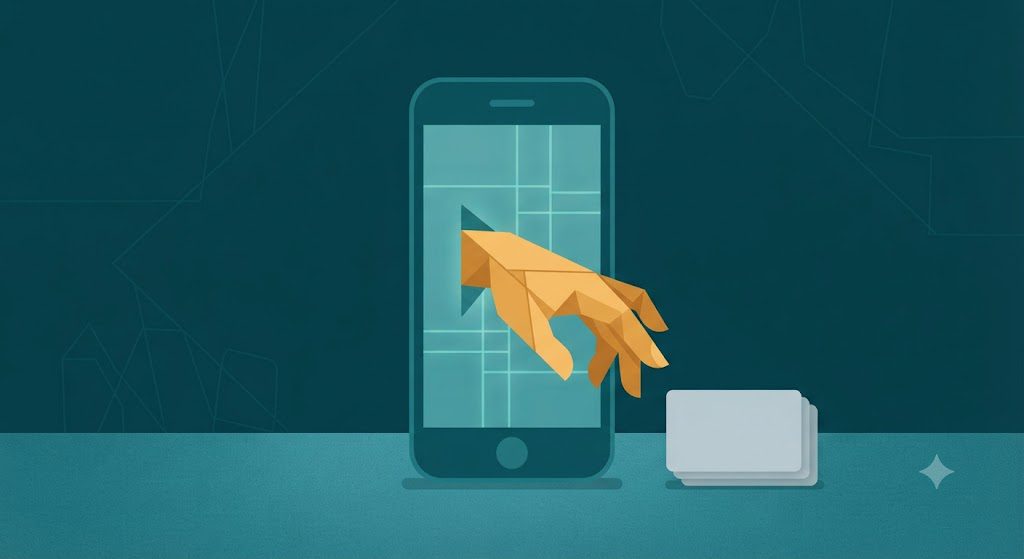

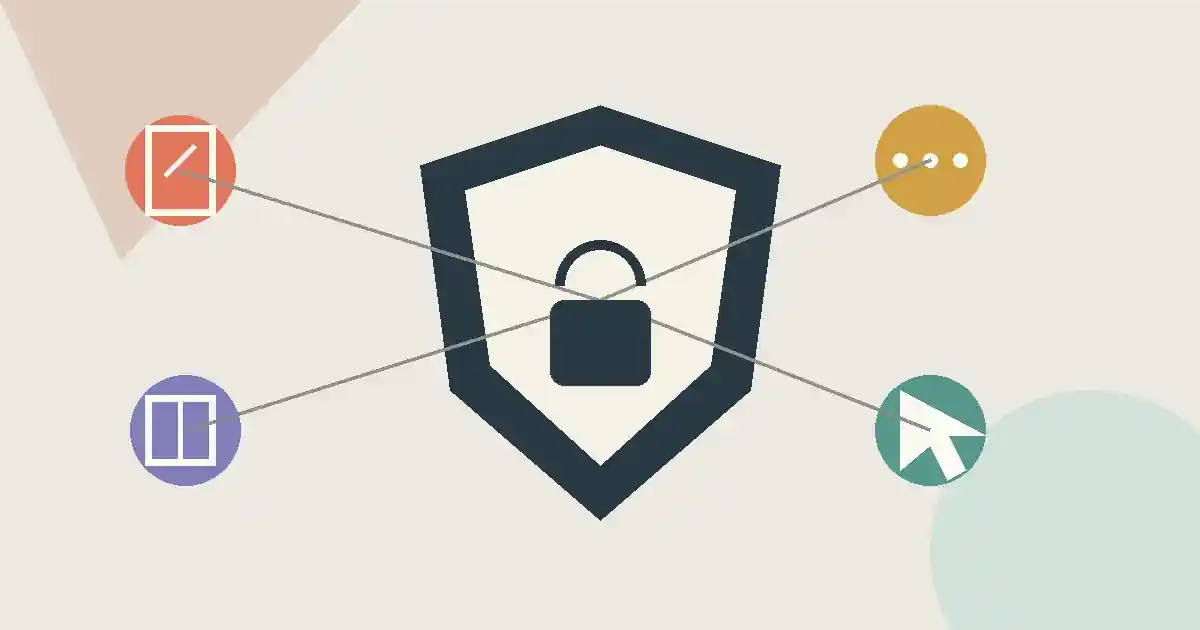
The names changed all year. The mechanics barely did.
A fake traffic fine, a fake visa offer, a fake bank call, a fake property listing and a fake Consumer Protection website look like different scams. In practice, most of the UAE fraud patterns Robius tracked in 2026 kept returning to the same small set of moves: create urgency, borrow a trusted identity, move the victim onto a channel the scammer controls, then ask for money, credentials or device access.
The names and brands used in UAE scams change quickly, but the same mechanics keep repeating across fake fines, bank calls, jobs, property offers and remote-access fraud.
UAE residents, newcomers, jobseekers, online shoppers, banking customers and anyone handling payments or identity checks online.
A small set of verification habits can stop multiple scam categories before money, credentials or device access are handed over.
This roundup is not exhaustive and does not estimate total UAE fraud losses; new variants can use different brands, channels and scripts.
Fraudsters will continue changing the surface of attacks while authorities, banks and platforms strengthen detection and authentication controls.
Verify through an official app or portal you opened yourself, never install remote-access software for an unsolicited caller, and report suspicious activity through official police channels.
Residents benefit from learning repeatable scam mechanics instead of trying to memorize every new fake message or website.
Unexpected payment links, requests to move to another channel, upfront fees, remote-access requests, OTP requests and payments needed to unlock supposed balances.
That is useful because residents do not need to memorize every new scam name. They need to recognize the repeatable structure underneath it.
Pattern One: A Real Authority, a Fake Payment Link
This was one of the most persistent patterns of the year.
The message claims to come from a real UAE authority or service: traffic police, Salik, ICP, a utility provider, a telecom company or a courier. The amount is often small enough to feel plausible. The deadline is short enough to stop you thinking.
Our fake traffic-fine investigation showed why this works so well. The victim does not have to believe an outrageous story. They only need to wonder whether they might genuinely have a fine.
The fix is boring and powerful: do not use the link in the message. Open the official app or portal yourself and check there.
That same rule defeats the small-payment variants built around Salik, parcel redelivery, utilities and mobile top-ups. The amount changes. The collection mechanism does not.
Pattern Two: The Scammer Borrows a Trusted Identity
Fraud in 2026 rarely arrived looking obviously criminal.
Abu Dhabi Police warned in April about fake accounts promoting visas, domestic-worker services, insurance, seized vehicles, parcel tracking, investments and fake property offers. The problem was not one specific product. It was impersonation across social media, digital platforms and fabricated messages.
The same method appears in banking fraud. A caller may claim to be from a bank, the Central Bank, police or another official body, then ask for confidential information or a verification code. CBUAE has repeatedly warned consumers about fraudulent calls and messages using trusted institutional names.
That is why logos, caller names and professional-looking websites are weak evidence. A scammer can copy branding in minutes.
The stronger test is whether you can independently reach the organization through a channel you already know is official.
Pattern Three: “Let Me Help You” Turns Into Device Control
This was one of the nastier evolutions we tracked.
A scammer does not always ask for your card number anymore. They ask you to install something.
Abu Dhabi Police specifically warned in April that legitimate remote-access applications are being abused by fraudsters. The software itself may be real and widely used for technical support. The danger comes from allowing an unknown caller to control or observe your phone or computer.
Robius documented the same pattern in the fake Consumer Protection complaint scam. The victim searches for help, lands on a fake site, submits personal details, then receives a call from someone who already knows the complaint. That makes the caller sound legitimate. The next step is remote access.
We also saw the pattern in fake antivirus-renewal and refund scams. The first message creates a problem. The phone call offers to solve it. The “solution” gives the criminal access to the device.
The simplest rule of the year may be this: nobody who unexpectedly contacts you needs remote control of your phone.
Pattern Four: The Job Exists Only Until You Pay
Fake UAE recruitment remained another repeat category.
The surface changes. Sometimes it is a high-paying office job. Sometimes it is domestic work. Sometimes the scammer promises a work visa, accommodation or fast processing. What usually arrives next is an upfront payment for a visa, processing, training, security deposit or onboarding.
Our UAE visa and fake-recruitment investigation documented how social-media accounts can target people before they have even entered the country.
The emotional leverage is different from a bank scam. Here the criminal is selling hope instead of fear.
The defensive rule is just as simple: a job that requires the worker to fund the opportunity deserves immediate verification. Check the employer, the recruiter, the permit process and the payment recipient before sending money.
Pattern Five: The Listing Can Be Real While the Seller Is Fake
Property, holiday-home, ticket and product scams all exploit the same uncomfortable fact: real photos prove almost nothing.
A criminal can copy a genuine apartment listing, event image, vehicle photo or product page and create a fake account around it. The asset can exist. The person taking your money can still have no right to sell or rent it.
Abu Dhabi Police and Customs warned about fake accounts promoting nonexistent property offers, products, services and confiscated vehicles at unrealistic prices.
Robius saw the same principle in the Dubai rental scam playbook. Verification has to move beyond the listing and into the official record: agent, owner, permit, contract or authorized platform.
The useful habit is to verify the right to transact, not merely the existence of the thing being advertised.
Pattern Six: Your “Balance” Is Used Against You
Task scams, fake investments and recovery scams share another psychological trick.
The platform shows you money that appears to belong to you. A dashboard balance grows. A fake trading account shows profit. A recruiter says your commission is waiting. A recovery agent claims your stolen funds have been found.
Then one final payment is required.
Deposit to unlock the withdrawal. Pay tax before release. Clear the negative balance. Upgrade the account. Cover an authentication fee.
That pattern is visible in the task and side-hustle scams we reviewed. The victim is no longer deciding whether to invest new money. They are trying to rescue money they already believe is theirs.
That belief is the trap.
A screen balance is not money until it can be withdrawn without sending more money first.
The Biggest Shift Was From Stealing Information to Taking Control
Older scam advice focused heavily on passwords, card details and OTPs. Those still matter, but the 2026 pattern is broader.
Fraudsters increasingly try to control the route to the victim.
They create the website you search for. They move the conversation to WhatsApp. They ask you to install the app. They keep you on the phone while you log into the bank. They direct you to a payment page they control.
That is why the older instruction “never share your OTP” is necessary but no longer sufficient. The better rule is: do not let an unsolicited contact control the channel through which you verify, pay or recover an account.
CBUAE’s fraud-prevention framework reflects the same direction. Licensed financial institutions are required to maintain mechanisms against unauthorized transactions, social engineering and identity theft, while authentication controls continue to evolve beyond simple SMS-based habits.
A Six-Question Check Before You Act
Instead of memorizing scam names, ask six questions.
- Who started the contact? If they found you, slow down.
- Can I verify this somewhere I opened myself? Use the official app, portal or number.
- Am I being rushed? Urgency is often part of the attack, not evidence the problem is real.
- Am I being asked to move channels? Be suspicious when the process jumps from an official-looking message to WhatsApp, Telegram, a video call or remote-access software.
- Am I being asked to pay before receiving money, work, a refund or a withdrawal? That is one of the strongest recurring warning signs.
- Does the person need information or access they should not need? Banking credentials, OTPs, card details and remote control should end the interaction.
How to Report It
If you believe you have been targeted, report the incident through official channels rather than searching randomly for a complaint site.
The UAE Government portal directs residents to local police channels for scams and cybercrime, including Dubai Police eCrime. Abu Dhabi Police accepts reports through Aman on 8002626, SMS to 2828 and its official reporting channels.
If money has already moved, contact the bank immediately as well. Speed matters because the first objective is to stop or trace the transaction before the fraudster moves the funds again.
The Robius Read
The biggest scam lesson of 2026 is that the surface is becoming less useful.
A new logo, a new app, a new fake department or a new message does not necessarily mean a new fraud method. The same core mechanics keep returning: impersonation, urgency, channel control, upfront payment, remote access and fake balances.
That is good news for residents. You do not need to recognize every scam before it reaches you. You need to recognize what the scammer is trying to make you do.
Sources
- Abu Dhabi Police, warning on remote-access applications used in fraud, 10 April 2026
- Abu Dhabi Police and Abu Dhabi Customs, warning on fake accounts promoting visas, property, products and services, 25 April 2026
- Central Bank of the UAE, warning on fraudulent calls and text messages
- CBUAE Rulebook, Article 149 Fraud Prevention
- UAE Government, reporting economic crimes and cyber-enabled fraud
Checked 28 September 2026. This is a pattern analysis of scams and official warnings documented during 2026, not an estimate of total UAE fraud losses or victim counts.
Robius.news — Dubai, UAE — 2026 | Built to be first. Built to be trusted.