
It started with one phone call. A resident in Sharjah picked up. The person on the line said they were calling from a government department. By the end of the conversation, the resident had installed an app on his own phone, voluntarily, believing he was resolving something official.
That app handed over his device. His bank account was emptied and the money moved to another account inside the UAE. He reported it. On July 5, Sharjah Police announced that the trail from that single complaint had ended in seven arrests.
| THE ROBIUS VERDICT: Real case, real arrests, and the app was only half of the operation. Sharjah Police say a network of seven people posed as public officials, talked victims into installing remote-access applications, and drained their bank accounts. That part is now familiar. The part worth your attention is the second layer. Police say the same network recruited workers with promises of jobs and housing, then opened bank accounts in those workers’ names to move the stolen money. So this case produced two categories of people in trouble. The victims who lost money, and the people who rented out their identity for a commission and ended up detained. If someone offers you cash to open an account you will never use, that is the role they are recruiting you for. |
What Sharjah Police Say Happened
The Sharjah Police General Command announced the operation on July 5, 2026. Seven suspects, all Asian nationals, were arrested in connection with an electronic fraud network.
Brigadier Dr. Khalifa Balhai, Director of the Criminal Investigations and Research Directorate, said the case opened when an Arab resident reported being defrauded. The victim had received a call from people posing as public-sector employees. They persuaded him to install a remote-control application on his phone.
Once it was installed, they reached his bank account, took the money, and transferred it to another account in the UAE.
Investigators followed the transfer. They identified and detained the person who received it. He told police he had not known about the scam, and that he had opened the bank account in exchange for a commission.
That single admission is what turned a theft report into a network case. Police say it led to the successive arrest of the remaining suspects and exposed an organized structure behind the fraud. It is the same shape as the pattern behind three separate UAE crackdowns, where the visible scam and the machinery underneath it are two different things.
The Second Layer: Rented Bank Accounts
This is the part most coverage of the case skipped past.
According to police, the network recruited workers using false promises. Job offers. Accommodation. Once someone was on the hook, the group opened bank accounts in that person’s name. Those accounts were then used to receive and forward money generated by the fraud, in exchange for commissions and cash payments.
That is a recruitment pipeline, not an afterthought. The scam needed a supply of clean-looking accounts, and it found people willing to supply them cheaply.
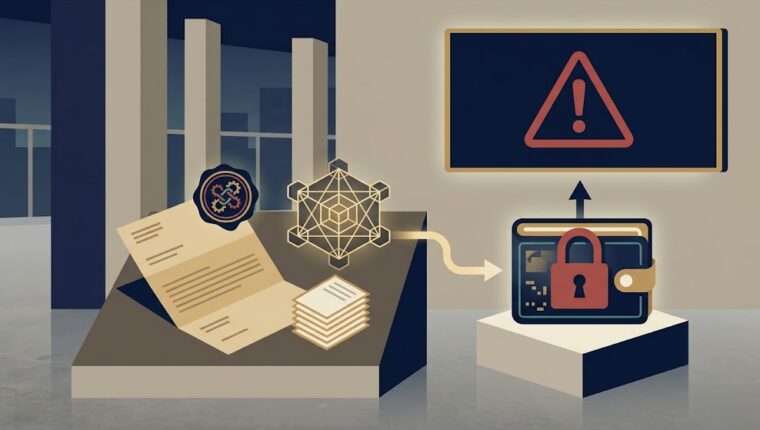
The seizure list tells you how industrial it had become. Police recovered bank cards, cheque books from several different banks, passports, phones, tablets, storage devices and computers. They also seized company seals, official documents, receipts and financial records belonging to multiple companies. Paperwork in other people’s names is a recurring feature of UAE fraud cases, and it is never as harmless as it looks when documents get faked in your name.
Why Remote Access Is the Whole Trick
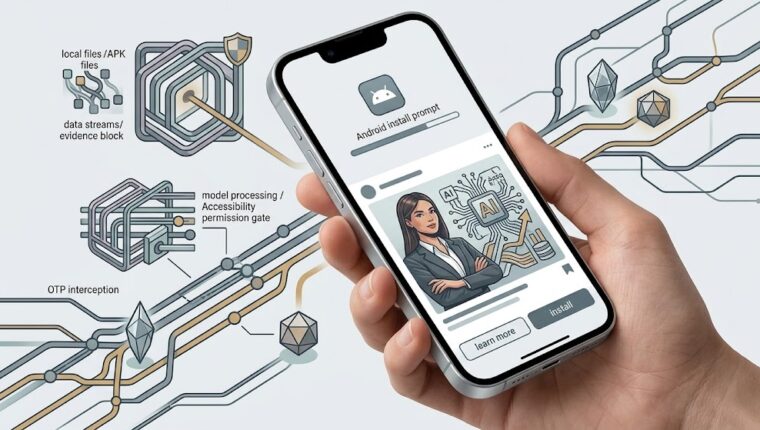
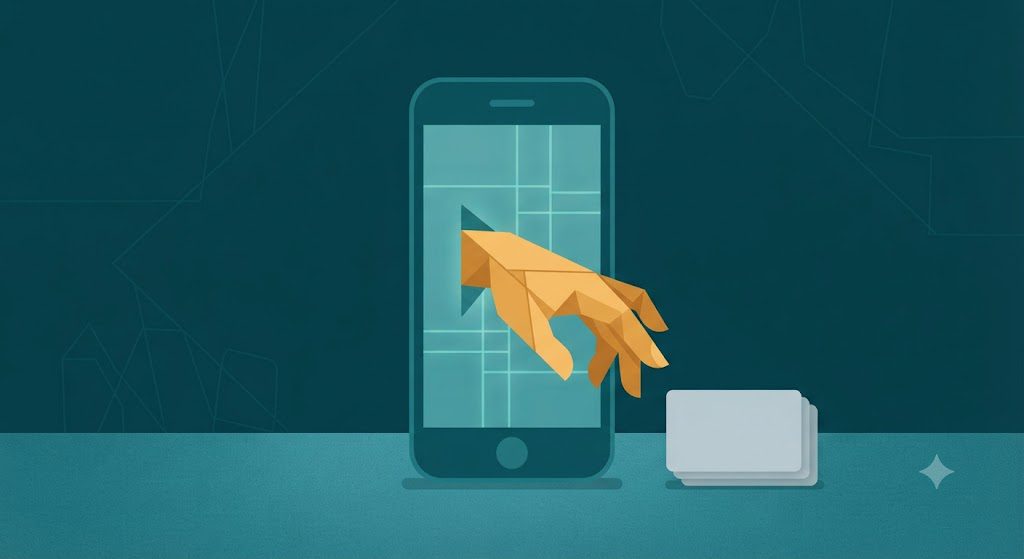
There is a useful distinction buried in this story. The app was not a clever piece of malware that broke into a phone. It was a remote-access tool that the victim installed himself, on request.
That is the entire method. The scammer does not need to defeat your bank’s security. They need you to hand them your screen. Once they have it, they see what you see, including any code your bank sends you.
This is why the advice to never share a one-time code is incomplete. With screen access, nobody has to ask. That is worth reading alongside the shift away from SMS codes at UAE banks, because the protection you think you have depends entirely on who is watching the screen.
Sharjah Police urged the public to be careful with unverified messages and links, to avoid sharing personal or banking details with unknown parties, to verify who they are dealing with before transferring money, and to report suspicious activity immediately.
Arrests Are Not Yet a Verdict
One point of precision, because it matters.
What has been announced is a set of arrests and a description of the alleged operation. Seven people are accused. A court has not published a ruling in this case, and Robius has not seen one. Anyone reading this as a closed prosecution is reading ahead of the facts.
What the case does establish is the direction of exposure. The victim who installed the app was treated as a victim. The man who opened a bank account for a commission was detained and questioned, and his claim that he did not know was not the end of the matter. If you are unclear which authority would even be looking at your situation, our map of who protects what in the UAE sorts it by the product you are actually using.
What to Do Before You Install Anything
The practical version is short.
| The request | What it means | What to do |
|---|---|---|
| A caller says they are from a government department and asks you to install an app | Real UAE departments do not run their services through an app a caller tells you to download mid-conversation | Hang up. Find the department’s number yourself and call back |
| The app asks for accessibility, screen sharing, or full device control | This is remote access, which is the tool used in this case | Do not grant it. No legitimate service needs to see your screen to verify you |
| Someone offers you money to open a bank account in your name | You are being recruited as the account that receives stolen funds | Refuse. In this case those account holders were detained |
| A stranger needs a code, a transfer, or urgency in the same breath | Pressure is the delivery mechanism, not a side effect | Slow down. Verify separately before anything moves |
None of this is new advice, and that is the point. Dubai Police issued a general warning about exactly this method earlier in July, which we covered in what to check before you install a single app. What Sharjah added is the outcome. The warning was not hypothetical, and the people arrested were running it at scale.
If you have already installed something at a caller’s request, treat the device as compromised. Contact your bank directly using the number on your card, not one from the call, and report it.
Sources
- Sharjah24: Sharjah Police announcement of the seven-person online fraud network, July 5, 2026 — https://sharjah24.ae/en/Articles/2026/07/05/mm07
- Khaleej Times: Arrest of seven in cyber fraud ring using fake apps and laundered accounts — https://www.khaleejtimes.com/uae/crime/sharjah-police-arrest-7-cyber-fraud-ring-hacking-phone-fake-app-money-laundering
- Gulf News: Sharjah Police account of the operation, victim complaint and public warning — https://gulfnews.com/uae/crime/sharjah-police-crack-fraud-gang-targeting-online-victims-7-arrested-1.500597388
- Emirates 24|7: Detail on worker recruitment, accounts opened for commission and items seized — https://www.emirates247.com/uae/sharjah-police-foils-cyber-fraud-gang-that-used-fake-official-calls-to-steal-funds/3301
Robius.news — Dubai, UAE — 2026 | Built to be first. Built to be trusted.