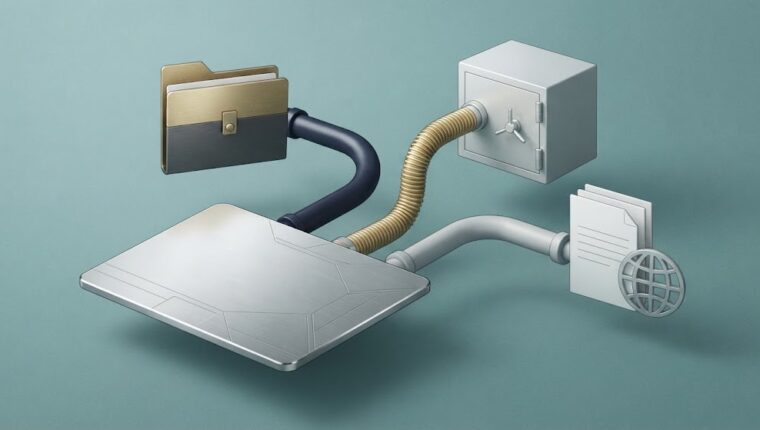

AED 500 can buy you a share in a Dubai property. It cannot make that property behave like cash.
Stake is one of the clearest examples of a platform that passes the license check and still needs a careful risk check. The exact UAE entity is on the DFSA register. The investment can also be locked, costly, vacant, or hard to sell.
Stake is regulated and easy to enter, but an investment can remain difficult to sell when you need cash.
UAE residents considering fractional property as an alternative to stocks, savings products, or buying a full unit.
The SPV model gives investors documented proportional ownership and access to rental income without managing a whole property.
Returns vary after property costs, investments require at least a one-year hold, and exit-window sales depend on another buyer.
Each property follows its own funding, rental, valuation, exit-window, and eventual sale timeline.
Read the property documents and model a lower rent, an empty period, and a delayed sale before investing.
Investors who want small-ticket exposure to selected Dubai properties and can hold through vacancies, costs, and slow exits.
Stake says UAE property investments start at AED 500 and are open to residents and non-residents, subject to onboarding and investor limits.
Check the exact SPV, valuation report, occupancy, service charges, projected net yield, exit eligibility, and fees for each property.
The real question is not whether Stake exists or whether the app is legal. It is whether you understand the SPV you own, the costs taken before your return, and the buyer you may need when you want out.
The Exact Licensed Entity
The brand is Stake. The regulated legal entity for the UAE property crowdfunding activity is Stake Properties Limited, a DIFC company with DFSA reference F005879. The DFSA register shows a license date of 1 November 2020 and permission to serve retail clients, hold or control client assets, and operate an Islamic Window.
The restriction matters more than the logo. The firm may only carry on the activity of operating a property investment crowdfunding platform. That is the service being reviewed here. It is not a general license for every financial product that might appear under the wider Stake brand in every country.
This is why our five-minute UAE investment app check starts with the exact entity and license category. A familiar app name is not enough. The register tells you which company and activity the regulator actually covers.
What You Actually Own
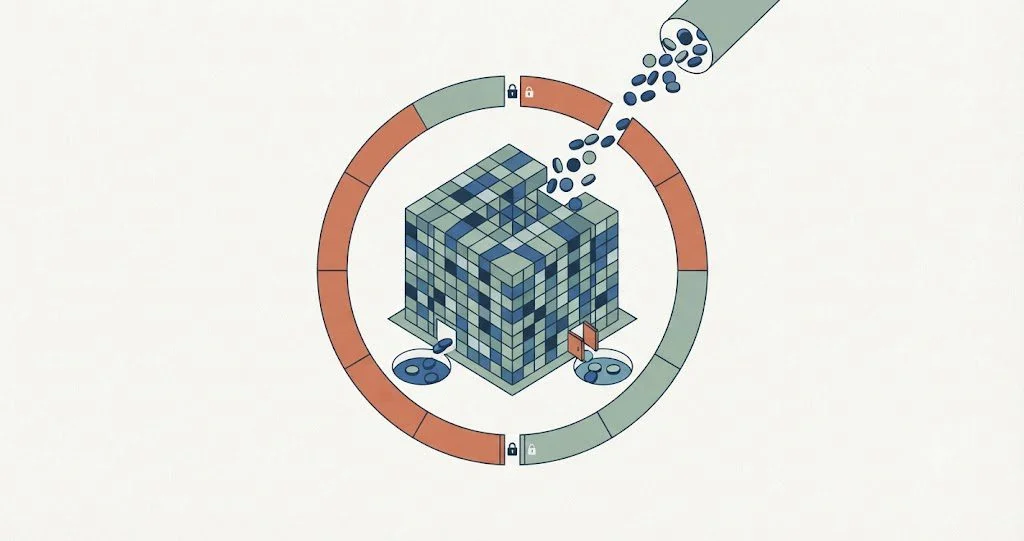
Stake says each UAE property is held through a special purpose vehicle, or SPV. Investors buy shares in that SPV in proportion to the money they invest. The SPV is listed as the owner on the title deed, and investors receive share and ownership documents after funding closes.
That is not the same as putting your own name alone on a Dubai apartment title deed. You own shares in the company that owns the property. The structure is useful because many investors can hold one asset. It also means administration, voting, costs, and the sale process happen through the SPV and platform rules.
Use the Dubai REST app guide to understand the government property records around normal Dubai ownership. Then read the Stake documents to understand how your SPV interest connects to the underlying property.
AED 500 Makes Entry Easy
Stake says a UAE property investment can start at AED 500. Retail clients also face investment limits. The company currently states a limit of AED 183,500 per property and AED 367,000 per year for retail clients.
The small entry point is genuinely useful. It lets someone diversify across several properties instead of putting a large amount into one unit. But the easy start can create a false feeling that the asset is as flexible as a stock or cash fund. It is not.
A low minimum changes how quickly you enter. It does not change how the building earns rent, how often it needs maintenance, or how long a sale can take.
How Returns Reach You
Stake describes two return sources. The first is rental income. Your share of net rent is credited to the Stake wallet, with the company aiming for weekly distributions. The second is capital appreciation, which is only realized when the investment is sold.
Net is the important word. Service charges, property management, annual administration, maintenance, insurance, vacancy, and other SPV costs come out before the distribution. A projected yield is not the amount that must arrive every week.
The property can also fall in value. Even when the market price rises, fixed acquisition costs and amortized costs can reduce the share value shown for an early exit. Stake says third-party valuations are updated twice a year before the May and November exit windows.
The Exit Window Is Not a Withdrawal Button
All UAE property investments must be held for at least one year. Eligible investors can then list shares during exit windows that Stake says open for two weeks in May and November. Another user must choose to buy them.
That is a marketplace, not a guaranteed redemption. You can list. You cannot force demand. A property may look attractive at launch and still have fewer buyers later because the market changed, the rent fell, or newer opportunities offer better projected returns.
Stake states that its usual 2.5% exit fee applies to an exit-window sale. The company says the 7% performance fee does not apply to that sale route. The listing screen should show the property-specific amounts before you confirm.
This is the core Robius insight: digital property platforms remove the work of buying a whole apartment, but they cannot digitize away property liquidity. The app is instant. The asset is not.
What the License Does Not Promise
A DFSA license confirms that the named firm has permission for the stated regulated activity and is supervised under the applicable framework. It does not promise that a chosen property will remain occupied, that Dubai prices will rise, or that projected returns will be met.
It also does not turn property into a bank deposit. There is no fixed maturity value unless the specific investment documents create one. Your result depends on rent, expenses, valuation, timing, buyer demand, and the final sale.
This is exactly the type of platform covered by the Robius Legit, But framework. Legal and regulated can be true while serious product risk remains.
Five Checks Before You Invest
- Open the DFSA register. Confirm Stake Properties Limited and reference F005879 yourself.
- Read the property page as a forecast. Projected rent and appreciation are scenarios, not promises.
- Find every cost. Include acquisition costs, service charges, administration, maintenance, insurance, vacancy, and exit fees.
- Plan for no early buyer. Only invest money you can leave in the property beyond the first eligible exit window.
- Check concentration. AED 500 in many properties can still become one large Dubai real-estate bet.
Who Stake Makes Sense For
Stake can make sense for someone who understands property, wants a small starting amount, values documented fractional ownership, and can accept a multi-year holding period. It is more suitable as a long-term investment allocation than as a place for emergency cash.
Compare that with liquid portfolios in our UAE investment app comparison. The products are not interchangeable. One gives exposure to individual property SPVs. The others may hold market securities that can usually be sold on trading days, although they carry their own risks and fees.
The Bottom Line
Stake passes the legitimacy check for its UAE property crowdfunding activity. The legal entity and licence are visible on the DFSA register. The ownership structure and exit rules are also explained in the company’s public help material.
The risk is not that the app has no licence. The risk is treating a long-term property share like money you can always tap. Invest only after you can explain, in one sentence, who owns the property, how you earn, what gets deducted, and who must buy when you want to leave.
Sources
- DFSA: Public register entry for Stake Properties Limited, reference F005879, including permitted activity and retail-client endorsements. Official or cited source
- Stake Help Center: Official explanation of the SPV ownership structure. Official or cited source
- Stake Help Center: Official return calculation and property-cost deductions. Official or cited source
- Stake Help Center: Official exit-window timing and one-year eligibility rule. Official or cited source
- Stake Help Center: Official exit-window fee explanation. Official or cited source
- Stake Help Center: Official retail minimum and investment limits. Official or cited source
This is not financial advice.
Robius.news — Dubai, UAE — 2026 | Built to be first. Built to be trusted.