

Scammers Built a Fake Version of the Website You Use to Report Scams.
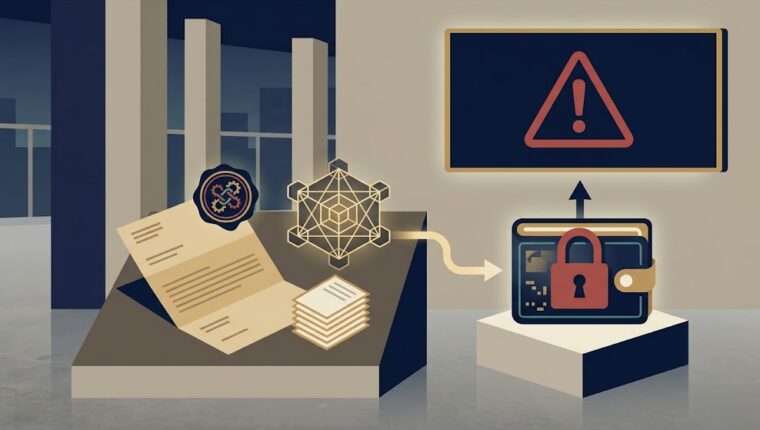
Dubai Police’s Anti-Fraud Centre issued a warning on July 7, 2026, about a scheme with a genuinely uncomfortable twist. The fraud starts with the exact website a UAE resident would visit to protect themselves, a Consumer Protection complaint portal, except the version they land on is fake, built specifically to harvest their information and, eventually, their bank account.
| THE ROBIUS VERDICT: A real, confirmed, currently active fraud scheme. The mechanism specifically exploits the moment someone is trying to protect themselves, which makes it more effective than a typical cold-call scam. Dubai Police’s Anti-Fraud Centre confirmed fraudsters have built fake websites impersonating official Consumer Protection channels. A person searching online to file a genuine complaint lands on the fake site instead, and enters personal details including name, email, phone number, and the actual subject of their complaint. A scammer then calls, posing as a Consumer Protection official, and repeats the exact complaint details back to the victim to establish false credibility. Once trust is built, the scammer instructs the victim to download remote-access software and log into their online banking while it runs, giving the fraudster live visibility into the victim’s screen and the ability to execute unauthorized transfers directly. |
Why This Scam Works Better Than a Typical Cold Call
Most phone scams start cold, an unexpected call from a stranger claiming urgency about something the victim was not already thinking about. This one is different. The victim initiates the process themselves, searching specifically for a way to file a complaint because they already believe they were wronged by something. That existing motivation, combined with a scammer who can accurately repeat back the exact details the victim entered on the fake site, creates a level of manufactured trust a cold call simply cannot replicate.
The Remote Access Step Is Where the Actual Theft Happens
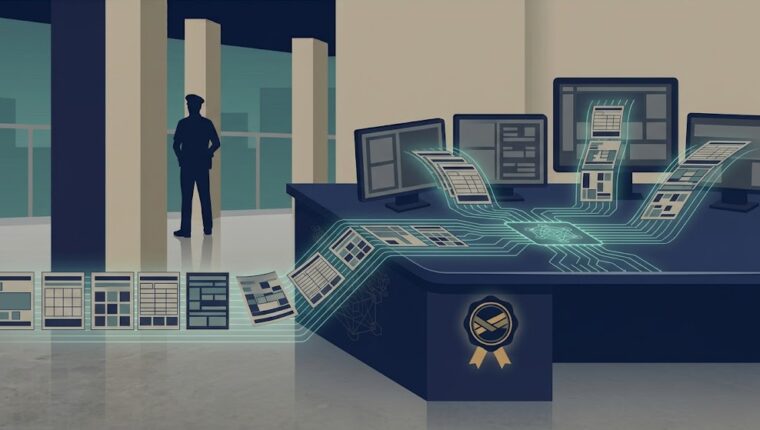
Once the scammer has built credibility through the complaint call-back, the actual instruction is specific: download remote-access software, then log into online banking while the software is running. Remote-access applications are legitimate tools normally used for IT support, letting one person view and sometimes control another device from anywhere. In this scheme, the scammer uses that same legitimate technology to watch the victim’s banking session in real time, capturing login credentials and transaction details, then using that access to execute unauthorized transfers or purchases directly.
How to Actually Tell You Are on a Fake Site
Before entering any personal information into a consumer protection or government complaint portal, check the exact web address carefully rather than trusting a search engine result or a link from a message. Navigate directly to the official government domain rather than clicking through from a search result, since fake sites are specifically built to rank well or appear convincing in search results and social media links.
No genuine Consumer Protection official will ever ask you to download remote-access software or log into your bank account during a phone call, under any circumstance. This single rule covers nearly every version of this scam pattern, since the remote-access step is the point where the fraud actually becomes financially damaging, and it is also the point where a legitimate government employee would never make that specific request.
What to Actually Do
File complaints only through the official Consumer Protection channel, accessed by typing the government’s own domain directly rather than searching for it. If you receive a follow-up call referencing a complaint you genuinely submitted, verify the caller’s identity independently by calling the official consumer protection number back yourself, rather than continuing the conversation on the incoming call. If you have already installed remote-access software at someone’s instruction, uninstall it immediately, change your banking passwords from a separate, trusted device, and contact your bank directly to flag the account.
Report any suspected instance of this scam through Dubai Police’s eCrime platform or by calling 901. This is precisely the kind of scam this site’s broader coverage of UAE PASS credential theft and fake government impersonation schemes exists to document, since the underlying mechanism, borrowed legitimacy from a real government process, repeats across multiple different scam categories with only the specific service being impersonated changing.
Sources
* Khaleej Times: Dubai Police warn residents of fake consumer protection websites stealing bank details — https://www.khaleejtimes.com/uae/dubai-police-fake-consumer-protection-links-banking-scam-warning
* Gulf Today: Dubai Police warn residents against fake consumer protection websites used in bank fraud — https://www.gulftoday.ae/news/2026/07/07/dubai-police-warn-residents-against-fake-consumer-protection-websites-used-in-bank-fraud
* Emirates 24|7: Dubai Police warns of fake Consumer Protection scams targeting bank accounts — https://www.emirates247.com/uae/dubai-police-warns-of-fake-consumer-protection-scams-targeting-bank-accounts/3379
If you suspect fraud, report it via Dubai Police eCrime.ae or call 901.
Robius.news — Dubai, UAE — 2026 | Built to be first. Built to be trusted.