
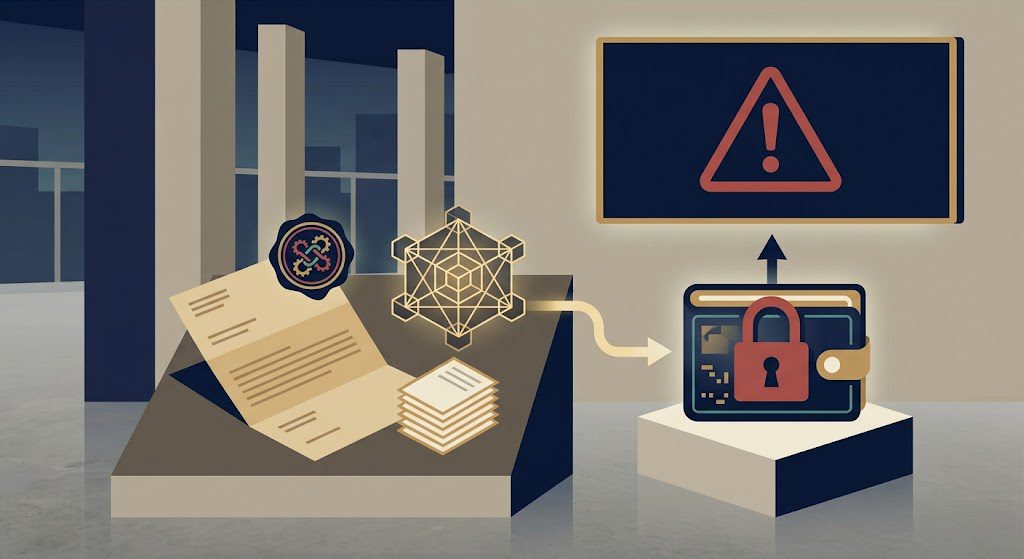
The letter looks official. It carries the DFSA name and logo. It talks about blockchain settlement, verification requirements and segregated wallets. Then it tells you there is one more payment standing between you and your money.
On September 8, the Dubai Financial Services Authority warned that these messages are fraudulent. The regulator says it does not process, hold, verify, settle or release client funds, and it does not charge consumers deposits or settlement fees to unlock investment proceeds, cryptocurrency holdings or blockchain-related assets.
The scam borrows the authority of a real Dubai regulator to make an advance-fee demand look like a legitimate compliance step.
Anyone in the UAE who has lost money to an investment or crypto platform, or who receives a recovery or settlement message using the DFSA name.
The warning gives consumers a simple verification rule that can stop the scam before another payment is made.
A copied logo, real DIFC address or legitimate regulator name can still appear in a fraudulent email or letter.
The DFSA says consumers should ignore the communications, avoid sending information or money, and verify firms and correspondence through official channels
Open the DFSA website independently, check the public register, and contact the DFSA or DIFC through official channels if a document looks suspicious.
Scammers benefit when a victim believes a regulator is personally holding funds and can release them after one final payment.
Nobody needs to pay the DFSA to release crypto, investment proceeds or blockchain assets; the regulator says it does not perform that function.
Watch for requests for deposits, verification charges, settlement fees or wallet information supposedly required before funds can be released.
The Regulator Name Is the Bait
This scam works because it begins with something real. The DFSA is the financial services regulator for the Dubai International Financial Centre. It has a public register, supervises authorized firms and publishes scam alerts. A criminal does not need to invent a fake regulator when copying a real one creates more pressure.
The same logic appears in other investment scams we have covered. Our five-minute UAE platform check starts with the legal entity and official register because a logo, office address or regulator reference can be copied. The register is the evidence. The branding is not.
The DFSA says the fraudulent correspondence may mention phrases such as blockchain settlement blocks, verification requirements, segregated wallets and compliance protocols. Those terms sound technical enough to delay the obvious question: why would a regulator need you to send more money before it can give you money that supposedly already belongs to you?
One Sentence Kills the Story
The useful part of the DFSA alert is not the vocabulary. It is the operating boundary. The regulator says it does not process, hold, verify, settle or release client funds. It does not operate customer wallets, settlement blocks or cryptocurrency custody arrangements.
That means the scam’s central premise is false before you inspect the payment amount, wallet address or document formatting. If somebody says the DFSA itself is holding your crypto or investment proceeds and needs a fee to release them, you already have the answer.
| Claim in the message | What the DFSA says | Robius check |
|---|---|---|
| The DFSA is processing or releasing your funds | The DFSA says it does not process, hold, settle or release client funds | Stop. The premise is false. |
| A verification or settlement payment is required | The DFSA says it does not require these payments to release investment or crypto assets | Do not send another payment. |
| The logo proves the letter is official | The scam communications may carry the DFSA name and logo | Verify through the official DFSA website. |
| A regulated firm name makes the message safe | Real firms and regulator details can be impersonated | Match the exact entity in the public register and contact it independently. |
The ‘One More Payment’ Pattern Is the Real Red Flag
The DFSA describes this as a form of advance-fee fraud and asset recovery scam. That pattern often arrives after a victim is already emotionally and financially committed. The balance on the screen looks recoverable. A caller or letter says the money exists. The only obstacle is tax, verification, compliance, settlement or a wallet activation fee.
That is why recovery scams can be more dangerous than the first scam. We have already seen a similar trust inversion in the scam that targets people trying to report a scam. The victim starts from a sensible instinct, recovery or reporting, and the fraudster hijacks the next step.
A genuine loss can make a fake recovery route feel plausible. Do not let the existence of a real regulator, law firm, blockchain explorer result or account balance turn a new payment demand into proof.
How to Verify a DFSA Message Without Trusting the Message
Do not use the phone number, email address or link inside the suspicious document as your verification route. Open the DFSA website independently. Search its alerts. Search the public register if a firm is named. If the message claims to come from a regulated firm, find that firm’s official contact details separately and ask whether the communication is genuine.
Our Bitcoin Loophole investigation makes the same distinction from the opposite direction. A polished trading brand is not a regulatory identity. You need a legal entity that exists in the correct official register and a licence scope that matches the service being sold.
The DFSA also tells consumers not to send personal, banking, cryptocurrency wallet or identification information to people connected with this scam. If a suspicious sender already has some of your information, that does not make the sender legitimate. Data from an earlier scam, breach or application can be reused to make the next approach sound personal.
If You Already Paid
Stop sending additional money. Contact the bank, card issuer or crypto platform used for the transfer as quickly as possible and explain that the payment may be fraudulent. Preserve the emails, letters, wallet addresses, transaction hashes, phone numbers and payment instructions.
If you shared login credentials, banking details or identity documents, secure the affected accounts and follow the relevant provider’s compromise process. If you disclosed a wallet recovery phrase or private key, treat that wallet as compromised and follow a reputable wallet provider’s security guidance before moving assets.
For authenticity concerns involving the DFSA, DIFC or a DFSA-regulated firm, the regulator directs consumers to official DIFC and DFSA channels. The point is not to solve the case through the suspicious correspondence. Break contact with the sender, then restart verification from an official source.
The Robius Rule: Regulators Regulate. They Do Not Need a Release Fee
The most reusable lesson here is a role check. A regulator supervises firms and activities. A bank may hold cash. A custodian may hold assets. An exchange or broker may operate an account. Those roles can sit in the same story, but they are not interchangeable.
That is why the Scam or Legit? desk keeps returning to the same boring question: who exactly is the legal entity, what exactly is it authorised to do, and who actually holds the money? Boring questions are useful because scammers prefer impressive words.
If the document says a regulator is holding your funds behind a blockchain settlement fee, the impressive words are doing too much work. The DFSA has now given UAE consumers a direct answer. Do not pay.
Sources
- Dubai Financial Services Authority: September 8 warning on fraudulent DFSA blockchain settlement and fund-release communications – https://www.dfsa.ae/alerts/dfsa-impersonated-blockchain-settlement-scam
- Dubai Financial Services Authority: Consumer guidance on avoiding scams – https://www.dfsa.ae/your-resources/dfsa-alerts/how-to-avoid-being-scammed
This is not financial advice.
Robius.news — Dubai, UAE — 2026 | Built to be first. Built to be trusted.