 UAE, UNFILTERED
Dubai Is Demonstrating Stablecoin Government Payments. It Has Not Opened a Crypto Checkout Yet
Dubai Finance outlined dirham-backed stablecoin and cryptocurrency payment demonstrations for the FinTech Summit. A staged payment journey is not yet a public government payment service.
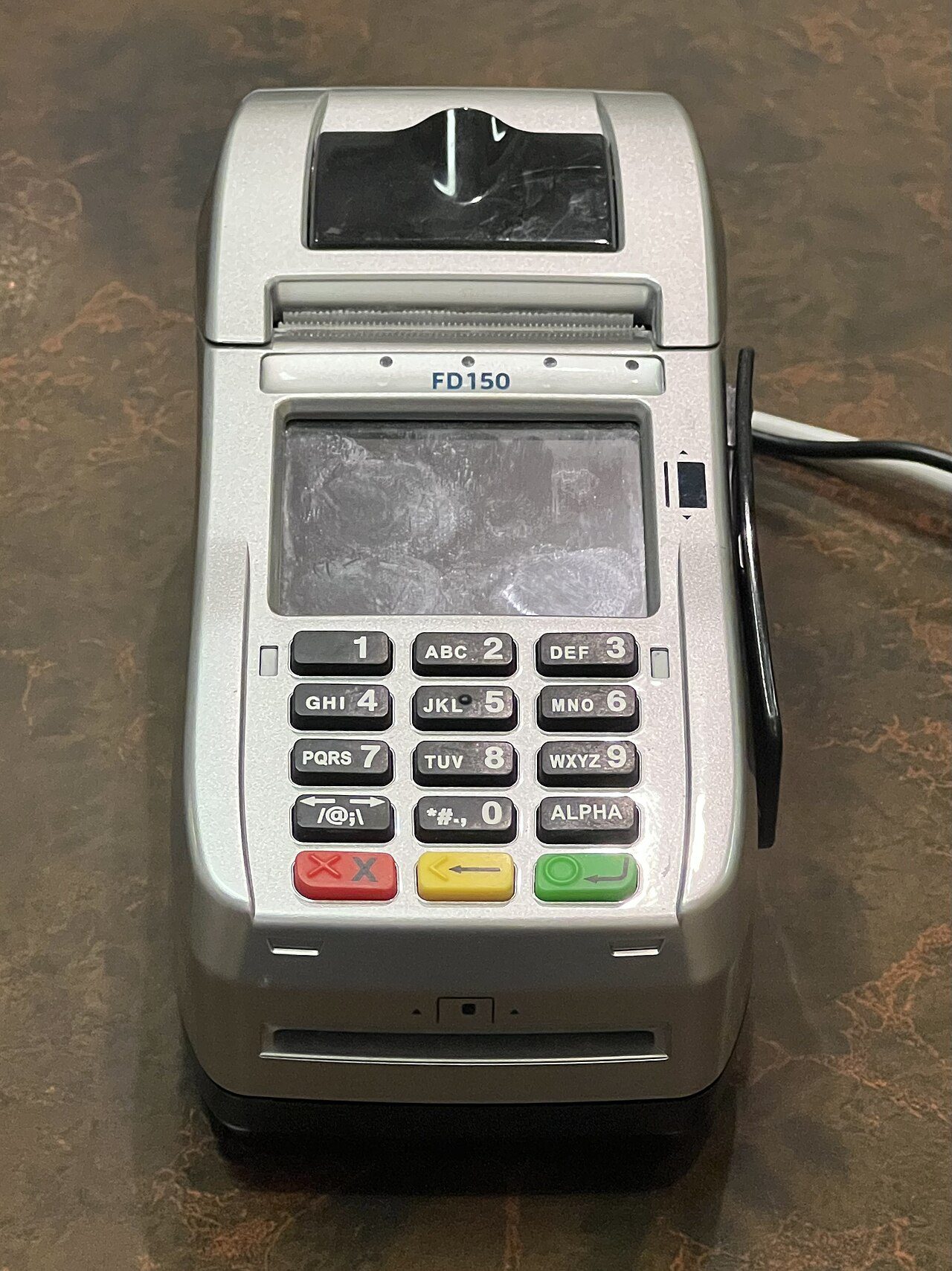
Dubai is examining government payments involving stablecoins and cryptocurrencies, but the announcement describes summit demonstrations rather than public launch.
Dubai residents, payment providers, SMEs, public-sector finance teams and virtual-asset compliance professionals.
The notice does not identify a general public service, specific token issuer, rollout date, fees or legal settlement process.
Monitor official live-service announcements, named payment operators, specific methods, consumer protections and regulated approvals.
Continue using official government portals and their currently supported payment options. Do not send tokens to unsolicited addresses.
Dubai Finance is demonstrating what a government payment could look like when a customer uses a UAE dirham-backed stablecoin or cryptocurrency. That does not mean residents can now pay every government bill with crypto.
The Department of Finance outlined a group of payment and AI showcases for Dubai FinTech Summit on 2 and 3 November 2026. Its 1 November announcement includes a demonstration of accepting a payment using a dirham-backed stablecoin and a separate practical demonstration involving cryptocurrency used to pay for a government service.
The wording is important. The department described demonstrations at an industry event, not the opening of a public crypto checkout across government portals. As of the announcement, it had not provided a complete list of citizen-facing services accepting such payments, terms of use or a general rollout date.
What is in the showcase?
Dubai Finance’s planned presentations involve Network International and NeoPay, including established domestic payment methods such as Jaywan and Aani, as well as Alipay, WeChat Pay and RuPay. The companies are also showing concepts for AI-assisted shopping, digital merchant revenue management and split payments.
| Technology or project | What was announced |
|---|---|
| Dirham-backed stablecoin | A payment acceptance demonstration, not a confirmed general public-service launch |
| Cryptocurrency for a government service | A practical summit demonstration; public eligibility and wider acceptance not specified |
| Jaywan and Aani | Domestic methods featured in payment integration demonstrations |
| AIltizam | Dubai Finance’s AI-supported compliance analysis platform, shown in the public finance showcase |
| DP3 | A platform for managing public-private partnership projects |
This table intentionally separates a demonstration from a completed rollout. One transaction performed in a controlled environment can prove that a workflow is technically possible while leaving open the commercial, regulatory and operational questions that matter before the public can rely on it.
Why a dirham-backed stablecoin is not simply another card
A payment card transaction generally runs through an established network of issuer, acquirer, scheme and merchant arrangements. A stablecoin payment involves a digital token designed to track the value of an asset or currency. The customer, merchant and operator still need clarity on who issues the token, what reserves support it, how redemption works and how a payment becomes final.
That matters in a government setting. If a resident pays an AED-denominated fee using a digital token, the public service needs an exact record of the amount due, the applicable exchange or conversion rate if any, the fee paid, settlement and the receipt used to prove that the obligation is discharged. Technical receipt of a token is not automatically equivalent to legal settlement of a government fee.
The Dubai Finance announcement does not disclose a named token issuer, a public redemption guarantee, an overall transaction limit or the liability allocation for a failed payment in its demonstrations. We should not fill those gaps with speculation.
The more important question may be who bears the risk
Consider a hypothetical government service fee of AED 1,000. A consumer authorises a stablecoin payment, the app confirms that tokens were transmitted, but the government platform does not issue a service receipt. Which organisation investigates? At what point is the fee deemed paid? Can an erroneous transaction be reversed? What happens if the issuer, intermediary or payment gateway is unavailable?
Those questions might sound unglamorous next to a live crypto demonstration. For a resident, they are the actual product.
A controlled pilot should ideally show the full chain from customer identity and consent through payment confirmation, settlement reporting, reconciliation and complaint resolution. Only then can an observer tell whether the new rail improves a service rather than merely adds another way to initiate a transaction.
AIltizam is about compliance recommendations, not a robotic auditor with legal authority
The same announcement highlights AIltizam, Dubai Finance’s platform for supporting compliance with financial legislation and rules. Dubai Finance says it identifies gaps, analyses risks and generates recommendations and reports to help financial governance.
That is useful if it makes a reviewer faster and more consistent. But the official description does not say AIltizam has replaced legally authorised decision-makers or that every recommendation is binding. A responsible implementation would preserve traceable rules, review paths and clear accountability when the system flags something incorrectly.
Readers interested in the governance angle can compare this with the DFSA’s separate research on agentic AI authority and cyber resilience. That paper is not new Dubai Finance regulation, nor does it govern this demonstration by itself. The common issue is knowing where an automated recommendation stops and an official action begins.
What the three proposed partnerships mean
Dubai Finance said it would advance three memoranda of understanding during the summit: with American Express on digital payment acceptance, the Virtual Assets Regulatory Authority on regulated virtual assets, and NeoPay on the One Pay and split-payment projects.
An MoU signals intended collaboration. Its announcement is not proof of a fully deployed consumer service or a new regulatory permission for all participants. The scope of a regulated virtual-asset activity still depends on the competent authorities and the particular products and service providers involved.
Robius previously explained why Dubai’s 90.1 percent cashless-transaction measure does not mean cash has disappeared. That measurement provides context for the summit, but a high share of digital transactions should not be read as proof that a new stablecoin or crypto payment channel has already been adopted by residents.
What residents and businesses should do today
There is no action required simply because the demonstration is taking place. Use the government agency’s official payment portal and its currently listed methods. Do not send crypto to a wallet address circulated on social media or in a message claiming to be an early access government pilot.
Businesses evaluating new payment providers should separately verify their licensing status, customer disclosures, settlement responsibilities, fees and refund processes. A provider being represented at a summit is not itself evidence of authorisation for every activity it showcases.
For fintech operators, the next useful release would state the issuer and payment partners, eligible service types, settlement model, consumer protections, technical controls and whether a limited live pilot has actually been authorised.
The Robius Read
The interesting development is not simply that a cryptocurrency payment can be staged at a conference. It is that Dubai Finance is examining how digital assets might fit into a broader government payment infrastructure alongside established domestic and international methods.
The milestone to watch is the first clearly documented real service, with real rules and a receipt that proves a government obligation was settled. Until then, a summit demonstration remains a demonstration.
Sources and reporting method
- Emirates News Agency: Dubai Finance summit payment and AI demonstrations, 1 November 2026
- Invest in Dubai: Dubai FinTech Summit schedule, 2–3 November 2026
- Dubai VARA public register: regulated virtual-asset provider verification
Editorial method: Robius distinguishes scheduled summit demonstrations and proposed agreements from a live public payment service. The AED 1,000 example is illustrative, not a documented transaction. Checked 3 November 2026.