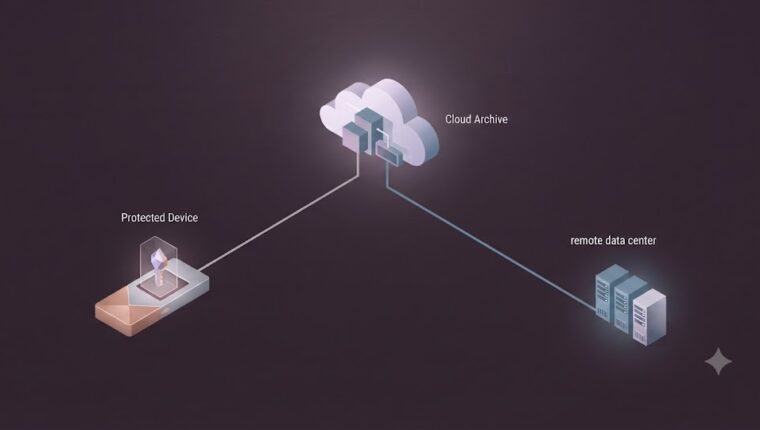


Apple is back in court over who should be able to unlock an iCloud backup. The latest fight is in Britain, not the UAE, and that distinction is important. Reuters reported on August 3 that Apple challenged a new UK demand involving encrypted cloud backups belonging to British users.
But the story exposes a setting that many iPhone owners in the UAE have probably never looked at. Apple offers two very different protection models for iCloud. The default keeps recovery convenient because Apple retains keys for much of the account. Advanced Data Protection moves far more of those keys to your trusted devices, which improves privacy but also makes recovery your responsibility.
The UK case does not target UAE users, but it highlights the difference between standard iCloud protection and Apple's optional end-to-end encrypted mode.
UAE iPhone, iPad and Mac users who store backups, photos, notes or files in iCloud.
Advanced Data Protection can move more iCloud categories to end-to-end encryption without changing the devices people already use.
With Advanced Data Protection, Apple cannot recover most protected data for you if you lose account access and your recovery methods.
Apple's UK legal challenge will continue through the Investigatory Powers Tribunal unless the dispute is resolved earlier.
Open your iCloud security settings, understand your current protection mode and set a recovery contact or key before changing anything.
Users who understand the recovery trade-off before changing their encryption settings.
Eligible Apple users with supported devices can review whether Advanced Data Protection is available on their account.
Watch for any Apple notice changing Advanced Data Protection availability or iCloud security terms in the UAE.
So this is not a story telling UAE users to panic about a British court case. It is a reminder to decide deliberately which side of that trade-off you want.
What Britain Is Asking For
Reuters reported that Apple filed a new challenge at Britain’s Investigatory Powers Tribunal over a government demand involving access to encrypted cloud backups of British users. The latest reported notice is narrower than an earlier demand that would have affected British and US customer data.
Apple has said it has never built a backdoor or master key to its products and services and would not do so. The British government, while not commenting on individual notices, says it supports strong encryption but also argues that law enforcement needs proportionate access in serious cases.
Those positions are in genuine tension. Strong end-to-end encryption works because the service provider does not hold a spare key. A system designed to let the provider unlock protected data for one authorized request changes that architecture for every request.
What This Does Not Mean for the UAE
There is no evidence in the reporting that the latest UK notice applies to UAE users. The current dispute is specifically described as involving British users. Robius would not turn that into a UAE surveillance claim simply because Apple products are widely used here.
The UAE relevance is practical instead. Apple publishes a UAE version of its iCloud security documentation, and it clearly shows the choice already available to many users. Standard data protection is the default. Advanced Data Protection is optional.
That distinction is more useful than importing the politics of another country. If you care about what Apple itself can decrypt from your iCloud account, the setting on your own device matters today.
Standard Protection and Advanced Protection Are Not the Same
Under standard data protection, Apple says iCloud data is encrypted in transit and at rest. The encryption keys from trusted devices are secured in Apple data centers, which means Apple can decrypt that data on your behalf when necessary for things such as restoring a backup or recovering an account.
Apple says 15 categories are always end-to-end encrypted even under the standard model, including Health data and passwords in iCloud Keychain. Advanced Data Protection raises the number of end-to-end encrypted categories to 25. That expanded set includes iCloud Backup, Photos, Notes and iCloud Drive.
The simple version is this: standard protection gives Apple a larger recovery role. Advanced Data Protection gives your trusted devices a larger key-holding role.
That is why this is not the same conversation as using a VPN in the UAE. A VPN changes how network traffic is routed and protected in transit. Advanced Data Protection changes who has the keys for stored iCloud content.
The Privacy Gain Comes With a Recovery Cost
Apple is unusually clear about the catch. With Advanced Data Protection enabled, Apple says it does not have the encryption keys needed to help recover the majority of that protected iCloud data. You need your device passcode or password plus a recovery contact or personal recovery key.
That makes stronger encryption a responsibility decision, not just a privacy toggle. A person who carefully stores a recovery key may prefer it. Someone who routinely loses account access and has no recovery plan can create a painful problem for themselves.
Web access changes too. Apple says iCloud.com access is disabled by default when Advanced Data Protection is enabled. You can re-enable web access, but your trusted device must authorize temporary access to the relevant keys.
The same principle appears in other UAE digital services. Convenience and identity assurance often sit together, as we saw in our UAE Pass review. Better security is rarely just one button. It changes how recovery and trust work around the button.
A Five-Minute Check for UAE Apple Users
First, look at your Apple Account settings and find Advanced Data Protection under iCloud security. Do not switch it on just because an article told you stronger encryption sounds good.
Second, check every device signed into the account. Apple requires supported software before the feature can be enabled. An old device on the account can complicate the process.
Third, set a recovery method you can actually use. A recovery contact should be someone appropriate for that role. A recovery key needs to be stored somewhere you will still have access to if your phone is lost or damaged.
Fourth, think about the data you share. Apple notes that some collaboration modes and shared content do not keep the same end-to-end protection in every situation. Privacy settings are not magic dust over every file.
Finally, keep the distinction between foreign policy news and your local settings. Our coverage of AI companion privacy makes the same point from another direction: the useful question is what happens to your data in the service you actually use, not what a headline makes you imagine.
The Robius Read
The Apple-UK fight matters globally because it tests whether a company can be compelled to create access to data it has designed itself not to hold the keys for. That legal question will take time.
The consumer question takes five minutes. UAE users can check which iCloud protection mode they use right now and decide whether the extra privacy of Advanced Data Protection is worth taking more responsibility for account recovery.
That is the part worth acting on. The court case is British. The key-management choice is sitting on your phone.
Sources
• Reuters: Apple launches new legal challenge in the UK — Reporting on the August 2026 legal challenge and the narrower UK-focused demand.
• Apple Support UAE: iCloud data security overview — Primary Apple documentation explaining standard protection, Advanced Data Protection, end-to-end encrypted categories and recovery responsibilities.
Robius.news — Dubai, UAE — 2026 | Built to be first. Built to be trusted.