 UAE, UNFILTERED
RTA Has 11 AI Products Live. The AED300m Benefit Is Still a Target
Dubai RTA's updated AI strategy identifies 40 products across 11 priority areas and says 11 have launched. Its AED300m annual value and faster audits remain targets, not verified…
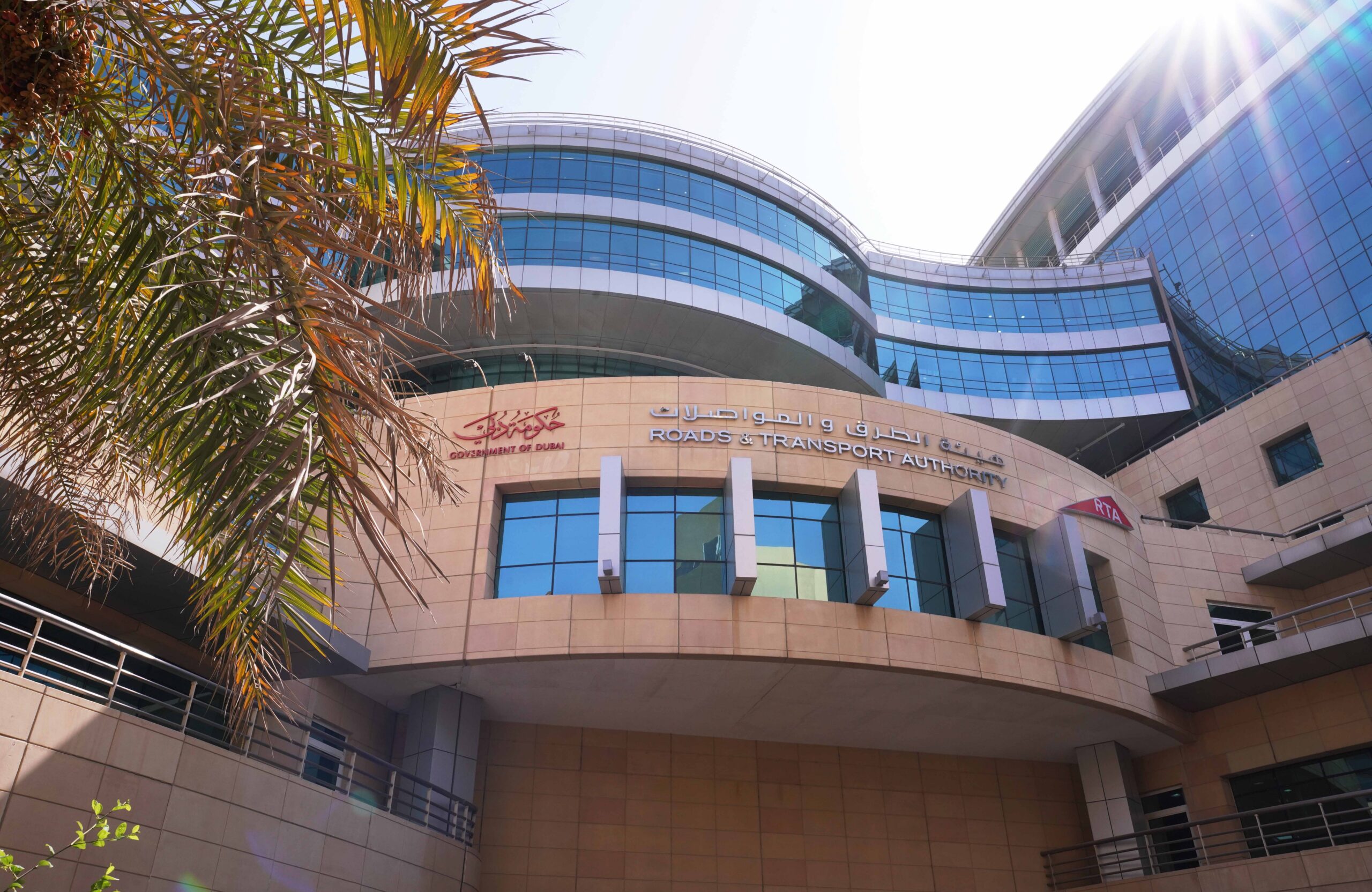
RTA has identified 40 initial AI products and reports 11 launched, but AED300m in annual value and operational performance gains remain planned targets.
Dubai motorists, public transport users, permit applicants, transport suppliers and AI governance professionals.
Targets are not realised savings; the authority has not published independently verified results for all products or outcomes.
Monitor audited savings, actual eNOC processing times, licensing audit accuracy and bus planning performance.
Use official RTA channels and check whether a specific Mahboub transaction feature is live before depending on it.
Dubai’s Roads and Transport Authority has set a target of more than AED300 million in annual added value from artificial intelligence. That is a forward-looking benefit estimate, not money already saved, and the difference matters when evaluating one of the government’s most ambitious attempts to make AI operational.
In its 1 November 2026 strategy announcement, RTA said its updated plan spans 41 areas across its organisation. The first two implementation waves focus on 11 business areas and 40 AI products, with 11 products reported as launched or completed, plus four foundational projects. The implementation horizon is two and a half years.
The headline targets include moving 50 percent of operations and services toward an agentic AI ecosystem and producing more than AED300 million in annual added value. Those numbers are ambitions for the programme, not an independently published audit of benefits realised so far.
What is running, and what is planned?
RTA says 11 of the identified AI products have already launched: five in planning and business development, five in vehicle licensing, and one in right-of-way. Beyond those products, the authority describes new or expanded initiatives in document auditing, permits, outsourced-contract review and bus network planning.
The distinction between a product being counted as launched and a performance target being met is essential. A system may be in use without yet demonstrating its projected savings at scale. RTA has provided targets for the next phase, but its announcement does not publish a product-by-product independent measurement of all projected benefits.
| RTA measure | Status in the announcement |
|---|---|
| 41 areas covered by the strategy | Scope of the overall plan |
| 40 AI products in initial waves | Identified product programme |
| 11 AI products | Reported launched or completed |
| More than AED300m annual added value | Future target, not confirmed savings |
| 50% of operations and services transitioning | Implementation target over the programme |
The quiet projects may matter more than the chatbot
Residents will recognise Mahboub, RTA’s virtual assistant. Its newer agentic version is intended to coordinate multiple vehicle-service steps, with UAE PASS handling identity and Dubai Pay handling payments. RTA says the platform can support five vehicle licensing services and around 100 information services. Earlier in October, the authority said its public rollout was being prepared, which makes it important to check whether a specific end-to-end feature is available to the public rather than assuming every planned capability is already active.
Robius has previously examined why Mahboub’s real test is completing the last step of a transaction. Sunday’s broader strategy adds an operational layer beyond the customer interface.
The electronic No Objection Certificate system, for instance, handles applications for work near transport assets. RTA says the service issues about 130,000 certificates annually and demand is growing by roughly 11 percent. The proposed AI system would check submitted documents against procedures, guide applicants and give engineering insights to approving authorities. RTA aims to make reviews three times faster and save more than 700,000 days annually.
That is a striking figure, but the source presents it as an expected benefit. RTA has not provided an independent breakdown in the announcement explaining how those days were calculated, whether they represent cumulative waiting-time savings or staff work, or the baseline used. The number should therefore be treated as a projection requiring a documented measurement method.
Auditing every document does not mean approving every document
Another initiative, the AI Licensing Document Auditor, uses optical character recognition and machine learning to inspect documents, flag anomalies and suggest corrective action. RTA says it wants to move from sample-based auditing to 100 percent coverage of documents within the system’s scope, speed audit processing up to 21 times and save more than 25,000 manual working hours a year.
These claims describe desired performance. They do not demonstrate that 100 percent of documents are already being checked, or that AI findings can legally replace an authorised human decision. A machine can examine every submitted file and still miss a subtle anomaly or incorrectly flag a legitimate application. Published measures of false positives, appeal outcomes and the human escalation process would make future reporting more meaningful.
RTA also describes an Outsourcing Contracts Accountant, designed to review attendance and outputs under outsourcing contracts before payment approval. That sounds like a finance workflow rather than public-facing AI, but it raises a precise governance question: where does automated checking stop and a human with payment authority begin? The official announcement refers to reviews before approval, not a claim that the AI autonomously authorises public expenditure.
Bus planning gets around 20 AI agents
The proposed Bus Network Planner is designed to use about 20 agents to analyse performance, identify gaps and compare operating options. RTA wants to speed analysis fivefold, shorten the time required to implement service changes from about 60 to 48 days, improve punctuality by up to 10 percent and lift cost recovery by 3 to 7 percent.
Those are measurable outcomes, which is useful. But faster analysis is not the same as a better bus network. Riders will ultimately judge whether services arrive reliably, transfers are practical, capacity matches demand and changes benefit rather than strand neighbourhoods. A change can be computationally efficient while producing a worse experience for some people if planners neglect accessibility and distributional effects.
We have already documented Dubai’s effort to test autonomous mobility rather than treat a pilot as a citywide launch. The same discipline should apply to RTA’s AI planning models: test the output against observed results, not just the elegance of the system.
The metrics we would ask RTA to publish next
Three useful reporting categories stand out. First, baseline versus actual outcome: elapsed permit days, customer-service transaction times, audit accuracy, bus punctuality and procurement lead time before and after deployment. Second, cost and attribution: development, infrastructure, staffing and maintenance costs, and how much of any saving can reasonably be attributed to AI rather than a wider process redesign. Third, human control: the percentage of cases escalated, overturned or corrected after an automated recommendation.
RTA’s own targets also include cutting congestion by 3 to 5 percent and reducing case and complaint processing times by 20 to 30 percent. Transport congestion is affected by road works, travel demand and land-use changes, so a credible assessment needs more than comparing one month to another without controlling for other causes.
What this means for Dubai residents
There is no new action required from residents simply because the strategy has been announced. Existing RTA services remain the relevant channel. If Mahboub begins processing a transaction, residents should still check the confirmed service steps, any identity-verification request and the final receipt inside official RTA channels. Do not assume a planning target means a new service is available today.
The Robius Read
The significance of RTA’s announcement is that AI is moving into documents, buses, finance and infrastructure decisions, not merely chatbot interfaces. But once systems are making recommendations affecting permits, funds or routes, the accountability question becomes sharper.
The programme will be worth judging by published service outcomes and the ability to correct bad automated decisions. Until then, the honest status is simple: 11 products are reported launched, while most headline benefits remain targets.
Sources and reporting method
- Emirates News Agency, RTA updated Artificial Intelligence Strategy, 1 November 2026
- RTA, Mahboub agentic AI rollout preparation, 22 October 2026
- RTA official press release listing and implementation updates
Editorial method: Robius compared the 1 November strategy figures with earlier RTA product announcements. Performance targets are identified as forecasts, not achievements. No field testing or independent verification of internal RTA systems is claimed. Checked 2 November 2026.