
Official regulator warning checked against the live DFSA alert and public-register guidance on August 3, 2026.
The broker did not merely claim to be regulated. It linked potential clients to a fake version of the regulator’s own verification tool.
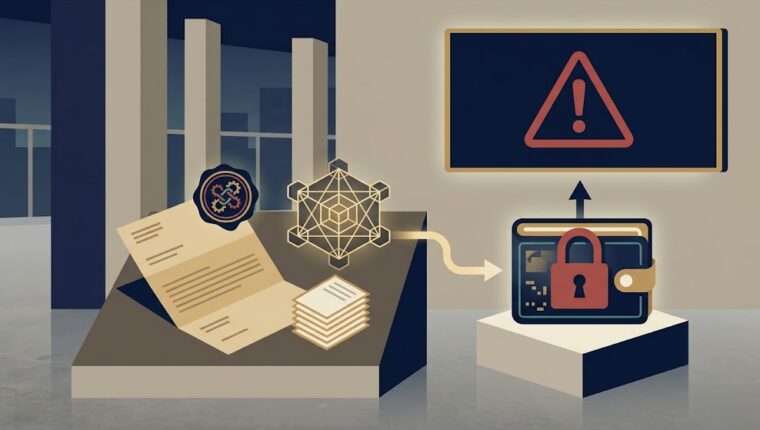
On July 22, the Dubai Financial Services Authority warned that RETINARXIV Brokers was falsely claiming DFSA regulation. The authority said RETINARXIV has never been authorized to provide financial services, no company with that name is registered in the DIFC, and the broker’s website linked to a cloned DFSA Public Register.
The cloned page reportedly listed “Retinarxiv Limited” as a non-DIFC company authorized for investments and CFDs. That turns the normal advice to “check the register” into a trap unless the consumer opens the real regulator independently.
What the DFSA Confirmed
The DFSA named the entity as RETINARXIV Brokers and said it was falsely claiming to be regulated by the authority. The regulator confirmed that RETINARXIV was not, and had never been, authorized to provide financial services.
The authority also said no companies named RETINARXIV were registered in the Dubai International Financial Centre. That removes two different claims at once: the entity was not a DFSA-regulated firm and it did not have the stated DIFC corporate presence.
The DFSA’s instruction is direct. Consumers should not respond to communications regarding the entity and should under no circumstances send or give money to any party connected to it.
The Cloned Register Is the Important Part
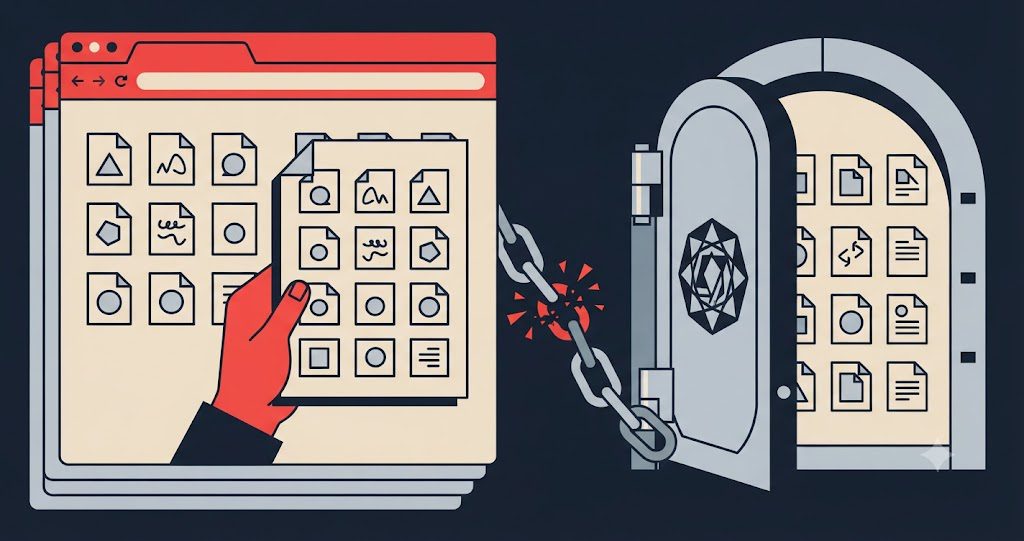
RETINARXIV reportedly stated that it had obtained DFSA approval in 2019. Its website then linked to a cloned version of the DFSA Public Register that listed “Retinarxiv Limited” as a non-DIFC company authorized to provide investment and CFD services.
This is more sophisticated than placing a regulator logo in a footer. The fake site attempted to answer the skeptical consumer’s next question by supplying what looked like an independent official record.
The scam therefore attacked the method of verification. A victim who correctly wanted to check the regulator could still be redirected into an environment controlled by the broker.
The Outside-the-Platform Rule
Never verify a broker using the regulator link, QR code, certificate, screenshot, company number, or search result supplied by the broker. Leave the conversation and open the regulator’s known official website independently.
Our five-minute UAE platform check is built around that separation. Search the legal entity yourself, then open the firm record and check the license category, status, contact details, website, and the entity that would actually hold your account.
The UAE broker regulatory-tier comparison shows why the regulator and category matter. A genuine DFSA entry should lead to a live firm record on the regulator’s own domain, not a copied page sitting behind a broker-controlled link.
How to Spot a Cloned Register
A cloned register can look perfect at first glance. The colors, logo, page structure, legal language, and supposed firm category may all resemble the genuine site. The domain and the navigation path are usually the decisive evidence.
| Check | Safe behavior | Warning sign |
|---|---|---|
| Domain | Type or open dfsa.ae independently and navigate to the Public Register. | The broker sends a similar-looking domain, shortened link, QR code, or embedded register page. |
| Entity name | Search the exact legal entity and compare spelling, company type, and location. | The brand changes into a different legal name only after questions are asked. |
| Firm reference and activities | Open the live firm record and confirm what services the license covers. | A screenshot claims “investments” or “CFDs” without a live official firm record. |
| Contact details | Use the website, email, and telephone shown by the regulator. | The salesperson uses different domains, messaging accounts, or payment instructions. |
| Payment recipient | Fund only the regulated account and entity named in the official documents. | Money is requested to a person, crypto wallet, unrelated company, or replacement entity. |
A Successful Test Withdrawal Would Not Fix This
Some scams allow a small withdrawal to build confidence before requesting a larger transfer. A payment that returns once does not create a license, a DIFC company, or a real DFSA record.
Do not send a test deposit to an entity the regulator has already told the public to avoid. The authorization failure ends the decision before platform performance, spreads, profits, or withdrawals become relevant.
The same caution applies to claimed replacement entities. If a salesperson says the brand moved, merged, or now operates through another company, restart the verification from the legal name and official register. Do not accept continuity because the same account manager remains in the chat.
The Verification Trap Appears in Other Scams
Robius has documented fake consumer-protection websites that target people trying to recover money. The pattern is identical: the scammer builds a fake version of the safe place the victim is told to use.
The minute-by-minute anatomy of a scam call explains how each document, call, login page, and “verification department” can sit inside one controlled story. Independent verification means leaving every route the other party supplied.
A local address does not cure the problem either. Our Shelbit regulator warning showed why a Dubai company name and commercial registration are not the same as financial authorization.
If You Already Sent Money or Documents
Stop communication through the broker’s channels and contact the bank, card issuer, exchange, or payment provider used for the transfer. Explain that the recipient was named in a DFSA scam alert and ask what recall, freeze, or fraud steps remain available.
Preserve the website address, cloned-register link, emails, telephone numbers, chat logs, account statements, wallet addresses, payment receipts, identity documents sent, remote-access software, and names used. Do not delete the evidence after blocking the contact.
Report the approach to the DFSA through its official complaints function. Where fraud, identity misuse, or money loss is involved, report it through the relevant UAE police channel and follow the instructions of the payment provider.
The Bottom Line
RETINARXIV Brokers fails the most basic legitimacy test. The DFSA says the entity was never authorized, was not registered in the DIFC, and linked to a cloned public register.
The lesson goes beyond one name. A broker-supplied regulator link is still broker-supplied evidence. Open the authority independently, search the exact legal entity, and verify the account-holding company before sending documents or money.
In this case, there is nothing left to compare. Do not respond. Do not deposit. Preserve the evidence and report the approach.
Sources
- DFSA: Official July 22, 2026 alert confirming RETINARXIV was never authorized, was not registered in the DIFC, linked to a cloned public register, and should not receive money. https://www.dfsa.ae/alerts/false-claims-retinarxiv-brokers-it-regulated-dfsa
- DFSA Public Register: Official live register that consumers should open independently to verify DFSA firms and authorized individuals. https://www.dfsa.ae/public-register
- DFSA: Official consumer guidance on common scams and safe verification behavior. https://www.dfsa.ae/consumer/how-to-avoid-being-scammed
- DFSA: Official complaints channel referenced by the regulator for concerns about communications or documents claiming DFSA or DIFC status. https://www.dfsa.ae/consumer/complaints
This is not financial advice.
Robius.news — Dubai, UAE — 2026 | Built to be first. Built to be trusted.