
The UAE Just Made Buying Crypto in Dirhams Normal
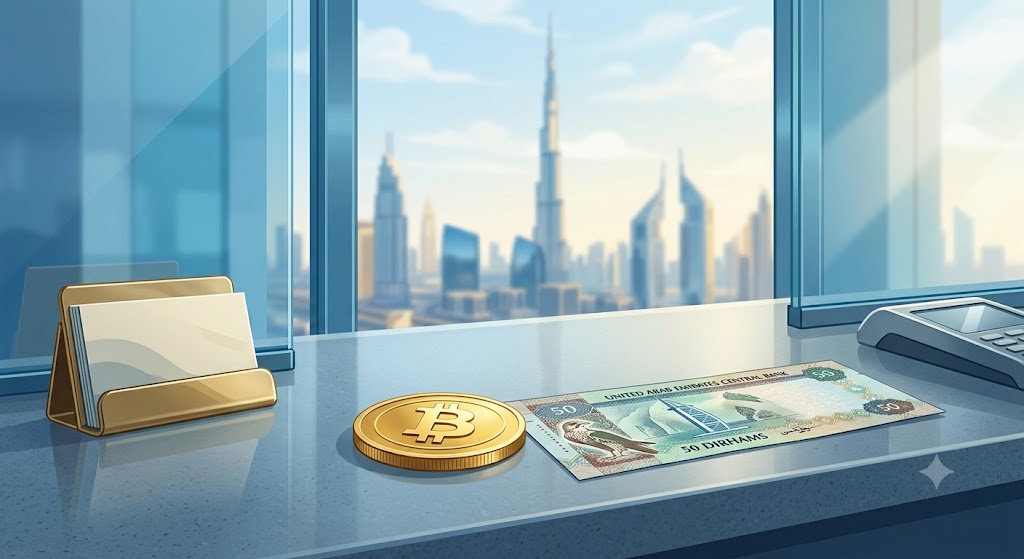
In a single week, two things happened that say more about where the UAE is heading than any price chart. Binance launched a fully regulated way to move dirhams in and out of crypto through a UAE bank. And days earlier, the Central Bank approved a dirham-backed stablecoin to go live.
Neither is dramatic on its own. Together they show a clear direction: crypto in the UAE is being quietly absorbed into the regulated banking system. That is the trend. Here is what it means, and the honest line nobody selling it will tell you.
What Actually Happened This Week
On 11 June, Binance announced a fully regulated dirham on and off-ramp in the UAE, built on integration with a regulated local bank. In plain terms, you can move money from your UAE bank account into crypto and back, in dirhams, settled within the same business day, without the foreign exchange conversions and middlemen that used to make it clunky.
Just before that, on 9 June, the Central Bank of the UAE approved a dirham-backed stablecoin, known as DDSC, to go live, built by a group including First Abu Dhabi Bank. It runs on a local institutional blockchain. It joins other regulated dirham token efforts, such as e&’s AE Coin. The pattern is unmistakable: dirham-denominated, bank-backed, regulator-approved digital money.
Why This Is a Big Deal
For years, getting into crypto in the UAE meant friction. Fragmented systems, hidden fees, foreign-currency conversions, or risky peer-to-peer deals where you met a stranger and hoped. That friction was also where a lot of scams lived.
Pulling the on-ramp inside a regulated bank removes most of that. It is cheaper, faster, and crucially it is traceable and accountable, sitting inside the same financial system that governs your salary and your savings. This is the UAE doing what it has done with so much else: not banning a technology, but regulating it hard enough to host it, and using that to position itself as a global hub for what it calls responsible crypto.
What ‘Regulated’ Actually Means Here
It is worth being precise, because the word regulated gets stretched. In the UAE, crypto activity is overseen by real bodies: VARA, the Virtual Assets Regulatory Authority in Dubai, and the Central Bank for payment tokens and stablecoins. Exchanges need licences. A bank-integrated on-ramp must meet the bank’s compliance rules.
What that buys you is genuine. A regulated platform is far less likely to be an exit scam, to vanish with your deposit, or to block your withdrawal, the exact failures that have burned UAE traders on offshore platforms. Regulation protects the rails. It makes the road safer.
The Honest Line Nobody Will Tell You
Here is the part that matters most, and the part the announcements skip. Regulated access does not mean safe investment. Those are two completely different things.
A regulated dirham on-ramp makes it safer and easier to buy crypto. It does nothing to make the crypto itself safe. Bitcoin can still crash. A token can still lose most of its value in a week. A smooth, bank-backed, fully compliant road can still lead you straight off a cliff, because the volatility is in the asset, not the on-ramp. Do not confuse the safety of how you buy with the safety of what you buy. This is the same distinction we drew with offshore trading platforms: not a scam is not the same as safe, and now, regulated access is not the same as a sound bet.
Stablecoins Are a Different Animal
The dirham stablecoin deserves its own note, because it is not the same thing as speculative crypto. A stablecoin is designed to hold a steady value, in this case pegged to the dirham, so it does not swing like Bitcoin. Its job is payments and settlement, not speculation.
That makes it genuinely useful for fast, cheap transfers, and it is a sensible thing for a central bank to want regulated. But it carries its own quieter risk: you are trusting the issuer to actually hold the reserves that back it. With a Central Bank approval behind DDSC, that trust is on firmer ground than with an unregulated foreign stablecoin. Still, a stablecoin is only as stable as the reserves and the rules behind it.
What It Means for You
If you are a UAE resident curious about crypto, this is good news in a narrow, real way. Moving dirhams in and out is about to be cheaper, faster, and far less likely to end in a scam or a frozen withdrawal. Using a locally licensed, bank-integrated platform is genuinely safer than the offshore and peer-to-peer routes many people used before.
But the old rules still apply, and they always will. Only put in money you can afford to lose. Treat crypto as a high-risk holding, not a savings plan. Use licensed platforms, ignore anyone promising guaranteed returns, and remember that a regulated door does not change what is on the other side of it.
The Bottom Line
The story this week is not a coin going up. It is crypto in the UAE growing up, moving from the wild edges into the regulated centre of the financial system. That is a meaningful, positive shift, and it makes the on-ramp safer for everyone.
Just hold the two ideas apart. The UAE has made it safer to buy crypto. It has not, and cannot, make crypto a safe thing to own. Welcome the better road. Drive it carefully.
Sources
• The National: Binance launches regulated dirham on and off-ramp in the UAE — https://www.thenationalnews.com/advertorial/2026/06/11/binance-unlocks-seamless-dirham-crypto-access-in-uae-with-regulated-bank-integration-and-zero-deposit-fees/
• The Asian Banker: CBUAE approves dirham-backed stablecoin DDSC for launch — https://www.theasianbanker.com/press-releases/cbuae-approves-uae-dirham-backed-stablecoin-ddsc-for-operational-launch
• The Paypers: UAE moves towards launch of the Digital Dirham — https://thepaypers.com/crypto-web3-and-cbdc/news/uae-prepares-for-digital-dirham-launch
Robius.news — Dubai, UAE — 2026 | Built to be first. Built to be trusted.