 UAE, UNFILTERED
DEWA Is Adding Virtual IBANs. The Goal Is Finding the Payment, Not Making You Open Another Account
DEWA and Emirates NBD plan to use virtual IBANs to identify and reconcile incoming payments automatically. This is a back-office infrastructure change, not a new bank-account requirement for…
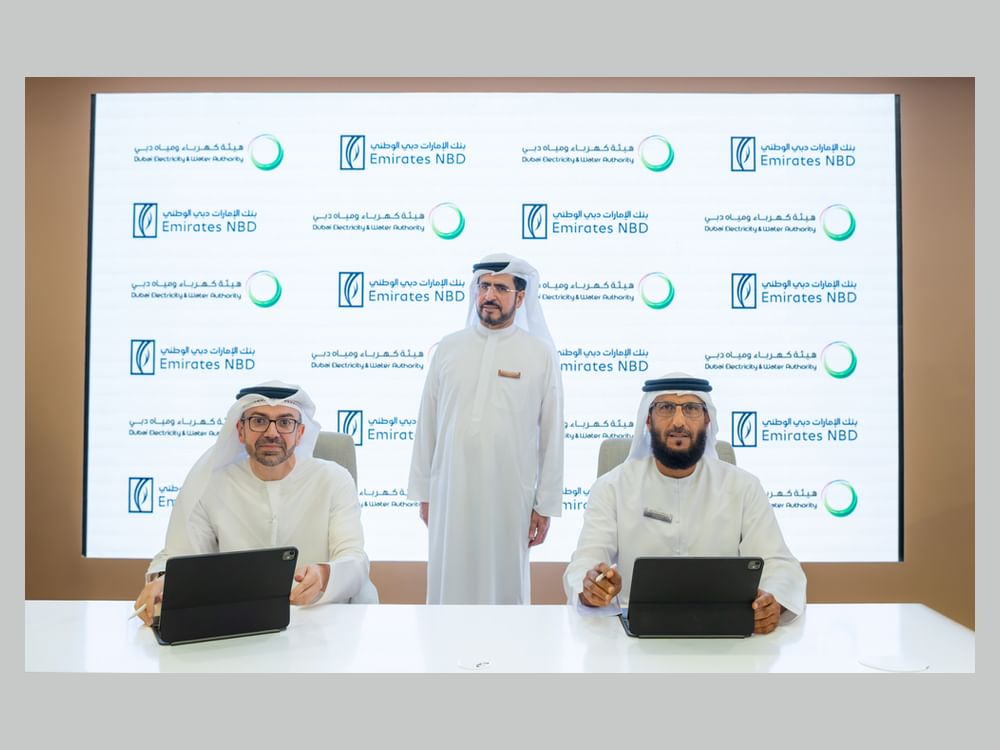
DEWA and Emirates NBD are planning a financial infrastructure change that could automatically match incoming payments to the correct account or invoice.
Dubai utility customers, finance and treasury teams, banks, payment operators and enterprise billing teams.
The announcement is an implementation MoU, not a live consumer requirement. No operational result, fee change, go-live date or new customer payment instruction was announced.
Watch for implementation milestones, payment-match accuracy, exception handling, service notices and measured reconciliation time reductions.
Continue using verified official DEWA payment channels and independently verify any unexpected message asking for transfer to a new IBAN.
DEWA and Emirates NBD are working on a system that could make utility payments easier to identify once the money arrives.
The two organisations signed a memorandum of understanding on 22 October 2026 to implement a Virtual Account IBAN solution. The proposed system would assign virtual account numbers to customers, entities or payment channels so incoming payments can be recognised, allocated and reconciled with less manual work.
For ordinary Dubai residents, the important clarification is that the announcement does not instruct anyone to open a new bank account or change the way they pay DEWA today.
What is a virtual IBAN for?
An international bank account number usually identifies where a payment should go. In a virtual-IBAN system, the receiving organisation can use unique account identifiers to associate an incoming payment with a customer or transaction while retaining a central payment-management arrangement behind the scenes.
Imagine a utility receiving thousands of bank transfers. If several senders enter incomplete references or pay through different channels, finance teams must work out which customer bill each payment belongs to.
A correctly implemented virtual identifier can do part of that matching automatically.
That does not mean customers each become holders of a separate deposit account. The underlying bank setup and legal account structure depend on the actual product configuration, which was not disclosed in the memorandum announcement.
The bottleneck is after the customer clicks Pay
Much of the Dubai cashless story focuses on faster front-end transactions. Robius recently analysed Dubai’s 90.1% cashless-transactions index and why payment dominance creates a new focus on reliability, refunds, fraud and operational resilience.
Virtual IBANs address an earlier invisible stage of that same payment lifecycle: matching a settled incoming transfer to the correct customer or invoice.
If that match is delayed or wrong, a bill may appear overdue despite money moving, a reconciliation team may need to investigate, or a customer may spend time supplying proof of payment.
The announcement promises improvement to accuracy and administration. It does not provide baseline mismatch rates, measured time savings or a go-live date.
Where automation actually helps
The proposed arrangement could improve several back-office tasks:
- identifying which customer or channel sent a payment;
- assigning the payment to the correct account;
- reducing manual reconciliation;
- improving internal reporting and audit trails;
- making exceptions easier to investigate when a payment does not match.
Those are credible operational advantages if the account-identifier mapping remains accurate and the bank integration is resilient.
But automation moves rather than eliminates some risks. A wrong identifier, duplicated entry, failed mapping or integration outage can still create exceptions. A good system needs an auditable method to correct them.
This is an agreement to implement, not a finished public feature
DEWA’s announcement concerns an MoU with Emirates NBD at WETEX 2026. It does not say virtual IBANs are already being issued to all residents or that an existing payment channel will disappear.
There is also no public specification yet for whether consumers will see a unique virtual IBAN, whether it is confined to specific commercial accounts or which settlement channels will be introduced first.
That difference matters because a new back-office identifier is easy to mistake for a new consumer-facing payment method.
A new payment identifier creates a scam risk if communicated badly
Whenever a major utility announces changes involving bank account numbers, criminals may try to impersonate that change with a fake message.
No evidence in the DEWA announcement indicates an active scam linked to this particular MoU. The risk is a general one: a message asking someone to “update their DEWA IBAN” or transfer money to a newly provided account should be independently verified rather than trusted on arrival.
Robius has documented how genuine government payment workflows can be exploited in wider fraud chains. Residents should continue using independently opened official DEWA channels unless DEWA itself publishes verified instructions.
How this fits DEWA’s broader operations work
DEWA has also been digitising financial guarantee handling. Robius recently examined its Smart Bank Guarantee programme and the claimed 95% process improvement. That initiative concerned a different workflow, but the governing question is similar: did the system remove real work and reduce errors, or merely move the same work into another interface?
A virtual-IBAN project should eventually be measured by payment-match accuracy, exception rates, reconciliation time and the time it takes to correct a misallocated transfer.
The Robius Read
Virtual IBANs are not exciting consumer technology. They may still be valuable public-service infrastructure.
Dubai already has widespread digital-payment acceptance. The next quality improvements will increasingly come from the invisible systems that confirm, match, settle and correct transactions after a customer has paid.
DEWA’s next announcement should show an implemented solution and measurable reconciliation results. Until then, this is a credible back-office plan, not a new payment obligation for households.
Sources
Checked 23 October 2026. The memorandum describes a planned financial-operations integration. It does not announce a mandatory new account or payment change for residents.
Robius.news | Dubai, UAE | 2026 | Built to be first. Built to be trusted.