
Historical note: this explainer was first published in October 2024. Falcon Heavy specifications are presented as technical background, not as a claim that it remains the world’s most powerful operational rocket today.
SpaceX’s Falcon Heavy combines three Falcon 9-derived first-stage cores into one heavy-lift launch vehicle. Its assembly requires the central core, two side boosters, engines, payload hardware and flight systems to be integrated and tested before launch.
1. Core Stage Assembly
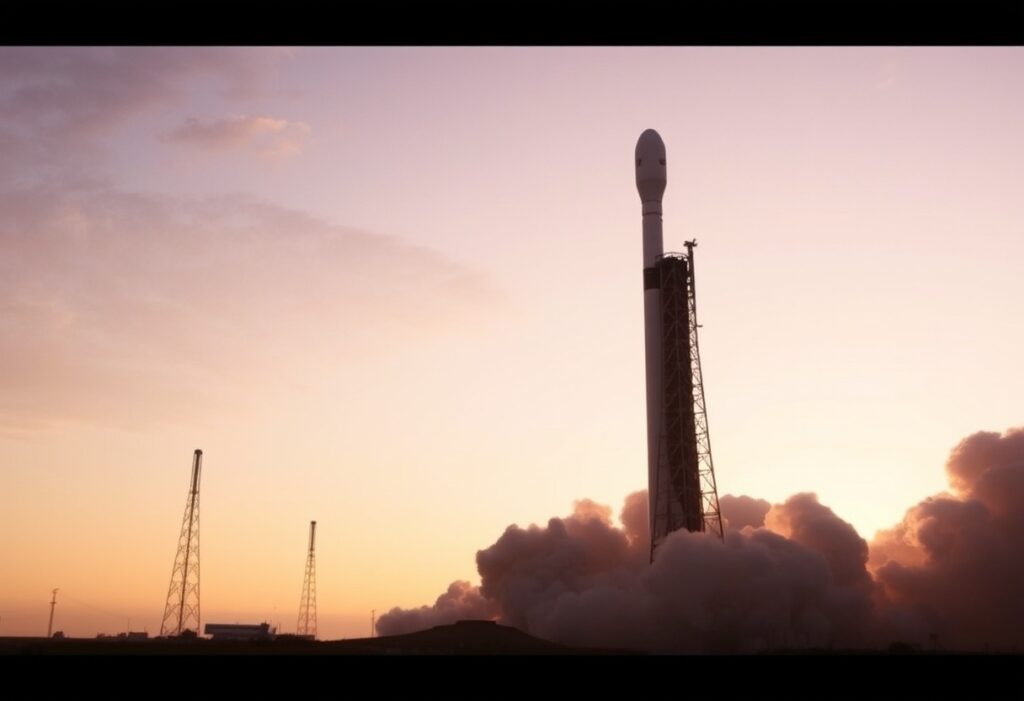
Falcon Heavy consists of a reinforced central core and two side boosters. The central core carries nine Merlin engines and is built to handle the additional structural loads created by the two attached boosters.
The engines use liquid oxygen (LOX) and RP-1 kerosene. Components are integrated and tested before the three-core vehicle is fully assembled.
2. Side Booster Attachment
The two side boosters are Falcon 9-derived first stages. They attach to the central core through structural connection points designed to carry the forces created during ascent.
3. Engine Installation and Testing
Falcon Heavy uses 27 Merlin engines across its three first-stage cores. Before flight, SpaceX tests the vehicle and propulsion systems, including static-fire testing when required for a mission.
The nine engines on each core are arranged in SpaceX’s octaweb configuration.
4. Payload Fairing and Nose Cones
The payload fairing protects the spacecraft or cargo during the early part of ascent. It is mounted above the upper stage, while aerodynamic nose cones cover the side boosters.
5. Final Integration and Pre-Launch Checks
Avionics, telemetry, propulsion and flight-control systems must work together before the vehicle can launch. The integrated rocket goes through fueling checks, software checks and countdown procedures at the launch site.
6. Launch and Booster Recovery
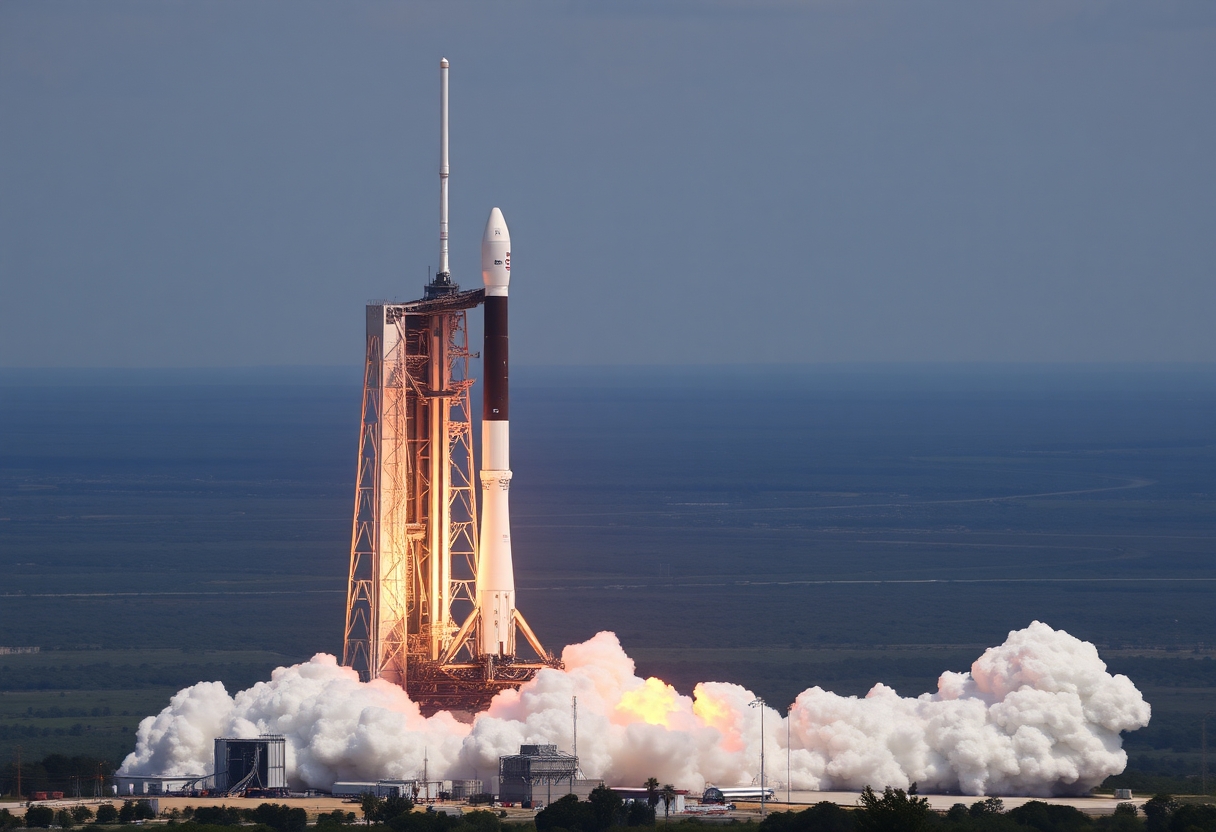
On launch day, Falcon Heavy is loaded with liquid oxygen and RP-1 before ignition. The 27 first-stage engines provide the thrust needed to lift the vehicle from the pad.
On missions where recovery is planned, the side boosters can return for landing after separation. Recovery is mission-dependent, so a Falcon Heavy launch should not be assumed to return every booster every time.
What the Assembly Process Shows
Falcon Heavy is not assembled as one giant rocket from the start. It is an integrated system built from multiple stages, boosters, engines and flight systems that are individually prepared and then combined for a specific mission.