

UAE fake delivery text scam
You get a text. Your parcel is held. There is a small fee to release it. Maybe three dirhams, maybe four. Pay it with this link and your package is on its way.
Almost everyone in the UAE has received a version of this. It works because the amount is tiny and you probably are expecting a package from noon, Amazon, or AliExpress. But the fee is not the point. Here is what is really happening.
| VERDICT: Scam. No courier holds your parcel for a few dirhams paid through a text link. The small fee is bait to get you onto a fake page that steals your card and your OTP. The target is your bank account, not the three dirhams. |
What the Text Looks Like
The wording changes, but the script is consistent. Real examples reported in the UAE include: “Due to incorrect address information, your package was not delivered and was returned to the warehouse. Please update your shipping address and reschedule your delivery.” And: “Your parcel has been delayed. Please update the address as soon as possible to pay for shipping. Reply 1 to get the link.”
The messages impersonate names you trust. Emirates Post. Aramex. DHL. FedEx. Even UAE Customs. The logo looks right. The tone sounds official. That is the entire trick.
What Clicking Actually Does
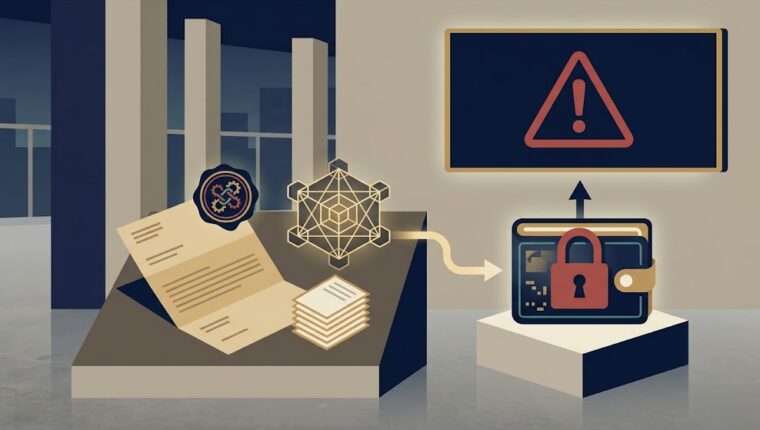
The link takes you to a page built to look exactly like the courier’s real website. It asks for the small fee, so it asks for your card number. Then it asks for the OTP your bank sends to confirm.
That is the moment the trap springs. With your card details and a live OTP, the scammers authorise their own transactions. The few dirhams you thought you were paying becomes whatever they can pull from your account.
One Dubai housewife described entering her details and even her card OTP because she really was expecting a shipment. The next day she called Emirates Post to ask where her parcel was. There was no parcel. The message was fake. In another reported case, a woman lost Dh10,000 after paying what looked like a Dh4 courier fee.
Who Is Behind It
This is not one bored teenager. Security researchers at Group-IB traced a wave of these UAE scams to an organized group they call PostalFurious, which impersonates postal brands and toll operators across countries. The texts often come from foreign numbers registered in places like Malaysia and Thailand.
It is industrial. They send these by the million, knowing that on any given day a small fraction of people are genuinely waiting for a delivery. Those are the ones who click.
How to Know It Is Fake, Every Time
A real courier does not hold your parcel hostage for three dirhams paid through a text link. Customs duties in the UAE are not collected by random SMS. And the sender will give it away if you look. Emirates Post has said its official emails only end in @emiratespost.ae or @emiratesposthop.ae, never Gmail, Hotmail, or Yahoo. A link that does not go to the courier’s real domain is fake. A long foreign sender number is fake.
The simplest rule: never pay a delivery fee through a link in a message. If you think a parcel might be real, open the courier’s official app or type their real website yourself and check the tracking there. Never from the link in the text.
What to Do
If you get one of these, do not click. Delete it, or better, report it. The UAE telecom regulator TDRA blocks these links when they are reported. Emirates Post asks people to forward scams to [email protected] or call 600599999. You can also report to Dubai Police eCrime at ecrime.ae or 901, and Abu Dhabi’s Aman on 800-2626.
If you already clicked and entered your card or OTP, act fast. Call your bank immediately, freeze the card, and report unauthorised transactions. Speed matters here. The faster the card is blocked, the less they can take.
The Bottom Line
The fee is never the goal. Three dirhams is just the doorway. What they want is your card and the one-time code that protects it, and a fake page is all it takes to get both.
Treat every unexpected parcel text as a scam until you have checked the courier’s real app yourself. You are not being rude by ignoring it. You are protecting your bank account from a criminal network that sends these by the million and only needs you to click once.
Sources
• Gulf News: Dh3 delivery scam, Abu Dhabi Police and Cybersecurity Council alert — https://gulfnews.com/uae/crime/dh3-delivery-scam-abu-dhabi-police-alert-uae-residents-of-fake-messages-1.500272577
• Khaleej Times: residents warned against fake Emirates Post delivery messages — https://www.khaleejtimes.com/uae/crime/uae-scam-alert-residents-warned-against-fake-delivery-messages-from-emirates-post
• ITP.net: phishing ring PostalFurious sends fake Emirates Post and Salik messages — https://www.itp.net/acn/cybersecurity/uae-scam-phishing-ring-sends-fake-emirates-post-salik-messages-to-residents
• Gulf News: TDRA courier delivery scam alert — https://gulfnews.com/uae/crime/new-courier-delivery-scam-alert-in-uae-1.93016847
If you suspect fraud, report it via Dubai Police eCrime (ecrime.ae) or call 901, or Abu Dhabi’s Aman service on 800-2626.
Robius.news — Dubai, UAE — 2026 | Built to be first. Built to be trusted.