

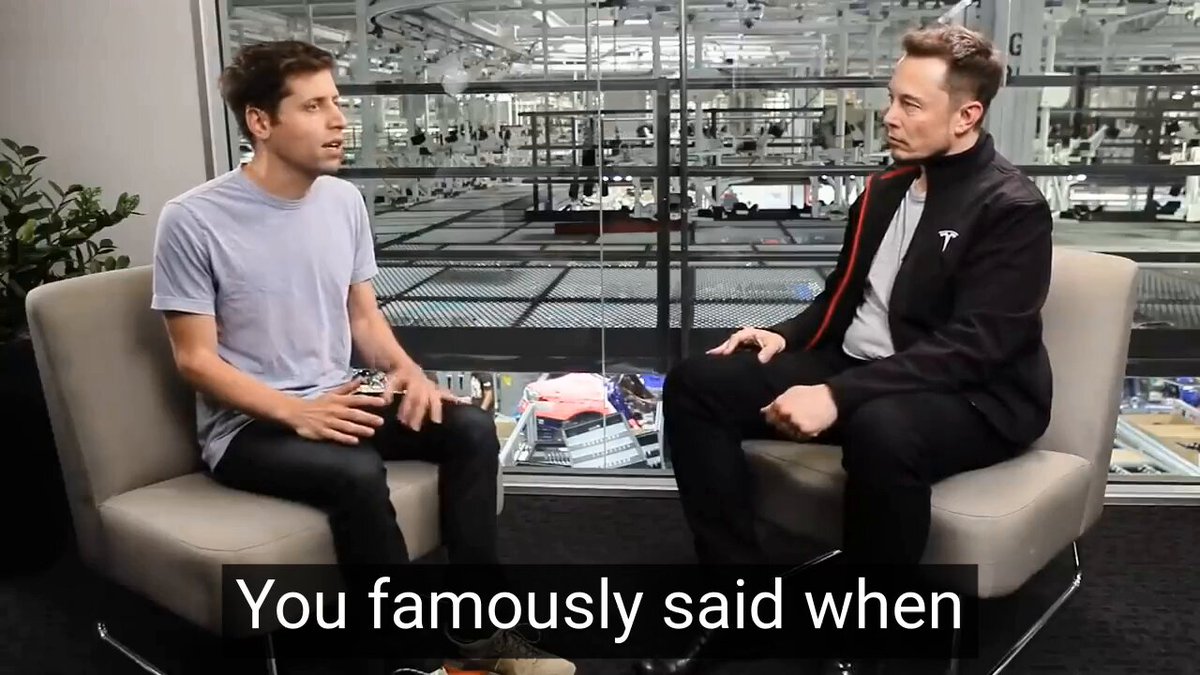
Elon Musk entered the April 2026 OpenAI trial calling the company a “stolen charity” and accusing Sam Altman and Greg Brockman of betraying the nonprofit mission he helped fund.
Those were Musk’s allegations. They were not court findings.
On May 18, after a three-week federal trial in Oakland, a unanimous advisory jury found OpenAI, Altman and Brockman not liable on the central charitable-trust claims. U.S. District Judge Yvonne Gonzalez Rogers then dismissed those claims.
What Musk argued
Musk said he was misled when he helped launch and fund OpenAI as a nonprofit in 2015. He argued that later commercial structures departed from the mission he had agreed to support and sought sweeping remedies against OpenAI, its leadership and Microsoft.
OpenAI disputed that account. Its lawyers argued that Musk knew commercial capital would be required and had discussed for-profit structures years earlier. OpenAI also argued that Musk brought his claims too late.
What changed after the original Robius article
The original version of this article was published as jury selection began. At that point, the outcome was genuinely unresolved.
It is no longer unresolved. Reuters reported that the jury rejected Musk’s case after less than two hours of deliberation. Musk indicated that he intended to appeal.
OpenAI is not simply a normal for-profit company
Another important correction concerns OpenAI’s structure. In October 2025, OpenAI reorganized so that the nonprofit became the OpenAI Foundation and the operating company became OpenAI Group PBC, a public benefit corporation.
OpenAI says the Foundation continues to control the Group and holds a significant equity stake in it. Whatever someone thinks of that arrangement, describing the nonprofit as having simply been “taken over” by a for-profit entity is not an accurate description of the current legal structure.
The Robius takeaway
High-profile litigation is especially easy to report badly because accusations make better headlines than procedural outcomes.
The useful sequence is: Musk made serious allegations, OpenAI denied them, the dispute went to trial, an advisory jury rejected the central claims, and the judge dismissed them. An appeal can still change the litigation path, but the April 2026 accusations should not remain online as though the court later validated them.
Sources: Reuters, May 18, 2026; OpenAI structure.
Robius.news — Dubai, UAE — 2026 | Built to be first. Built to be trusted.